 Skip to content

Airbag Control Module Reset Service — Arlington
Direct answer: An airbag control module reset service clears crash-data flags and SRS fault codes so the airbag system can function again — but it must be done correctly. Some modules can be safely reset using diagnostic tools or professional bench programmers; others need replacement or reprogramming after a crash.
After a fault like this, the airbag/SRS module often needs resetting to clear the warning light — that’s our SRS module reset, mobile in DFW or mail-in nationwide with free two-way shipping.
Key Takeaways
- An airbag control module reset removes stored crash flags and SRS DTCs, but physical damage or burned squibs may still require repairs or replacement.
- Reset attempts without the right tools or procedures can leave the vehicle unsafe or noncompliant; professional services (mobile or mail-in) are recommended.
- There are mobile and mail-in reset options—choose based on convenience, vehicle access, and whether the module must be bench-programmed.
- Always confirm crash-data legality and insurance implications before requesting deletion of stored crash data.
What is the airbag control module (SRS/ACM)?
The airbag control module (often called SRS module, ACM, or airbag ECU) is the vehicle’s safety computer that monitors sensors, decides when to deploy airbags, and stores crash data and fault codes. “SRS” stands for Supplemental Restraint System — it’s the electronics behind airbags and seat belt pretensioners.
Why resetting matters
After a collision or an electrical fault, the SRS light on the dash stays lit. That tells you the system has recorded a fault or crash event. Resetting clears those stored events and fault codes so the system can run normal self-checks again. But clearing a code doesn’t fix a broken wire, a deployed airbag, or a damaged seat belt pretensioner—those need repair.
How do you reset an airbag control module?
There are three common paths to reset an airbag control module:
- Basic OBD-II or SRS scan tool reset (works when the fault is a software flag, not crash data).
- Bench reset/bench programming (module removed and connected to a specialist programmer to clear crash data or reprogram VIN and calibration).
- Module replacement and programming (if the module is physically damaged or non-resettable).
Step-by-step: how to reset your airbag control module (general guide)
- Read codes with a proper SRS-capable scan tool—record the codes and note which sensors or circuits are affected.
- Inspect wiring, connectors, and airbag components (do not skip physical checks).
- If no deployed devices or damaged wiring are found, attempt clearing codes with an SRS-capable diagnostic tool.
- If the module reports stored crash data or cannot be cleared, remove the module for bench reset or send it to a specialist service.
- After reset/replacement, reconnect and run full SRS system checks — ensure the SRS light stays off during key cycles.
Tools used for resets
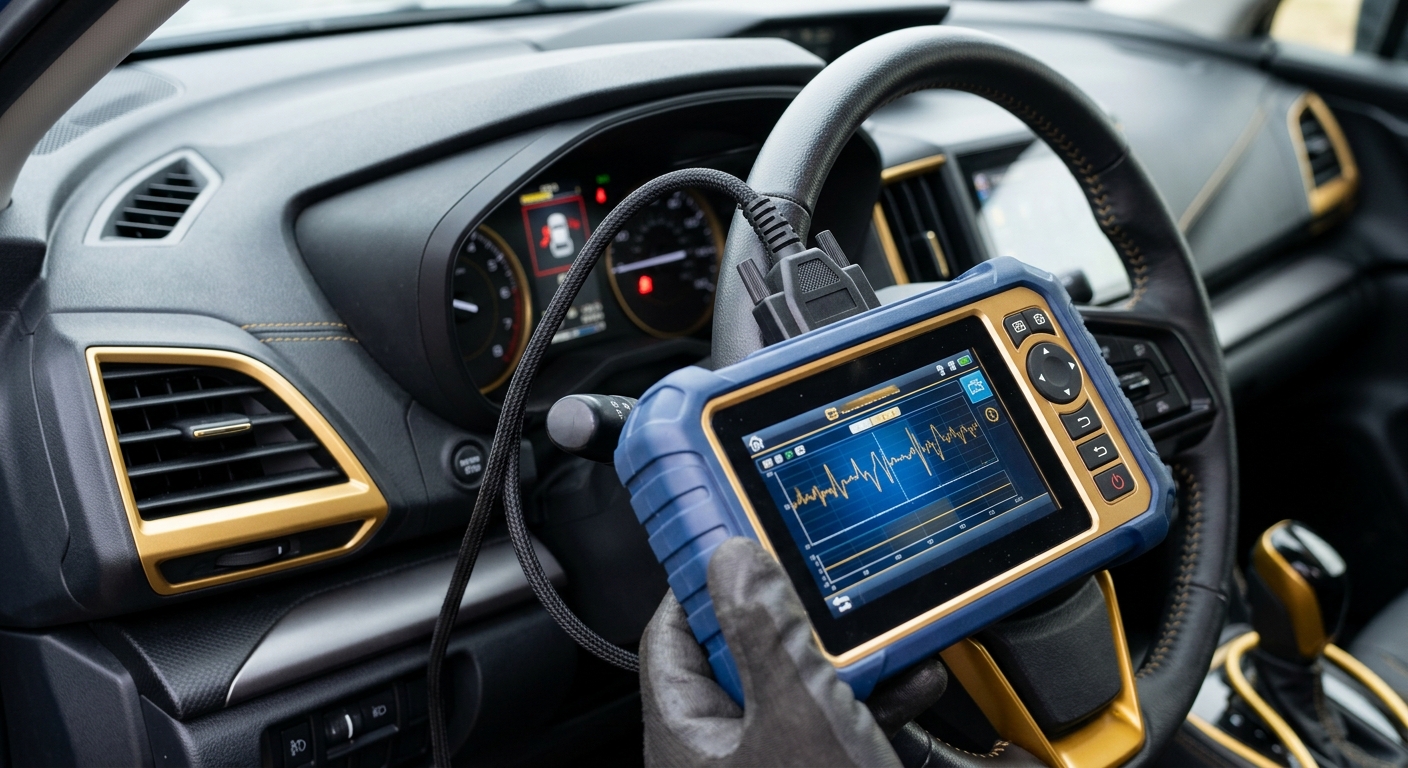
Common tools include OEM-level scan tools, aftermarket SRS reset tools, bench programmers, and module programmers. These tools communicate with the ACM to clear DTCs and, when allowed, erase crash data and reprogram VIN/calibration.
Mobile vs Mail-in vs Dealership: Which is right?
Choosing between a mobile service, a mail-in service, or a dealership depends on access, urgency, and the module’s condition. Mobile services come to your vehicle; mail-in services are useful when the module needs a bench programmer; dealerships can replace and reprogram modules but often at longer wait times.
| Service Type | Best for | Pros | Cons |
|---|---|---|---|
| Mobile reset | On-site troubleshooting and simple resets | Convenient, quick diagnosis | Some modules require bench work not doable on-site |
| Mail-in reset | Modules needing bench programming or advanced tools | Access to specialist equipment, nationwide service | You’re without the module temporarily |
| Dealership | Full replacements and manufacturer reprogramming | OEM parts and calibrations | Longer waits, less flexible scheduling |
Our company offers both mobile airbag module reset service and a nationwide mail-in airbag module reset with free shipping—use the mobile option if you need on-site work or the mail-in option if the module requires bench programming.
Common SRS light patterns and what they mean
Not all SRS light behavior means the same thing. Here’s a quick guide:
- Steady SRS light on: The system detected a fault. Read DTCs before doing anything.
- Flashing SRS light: Often shows a specific stored code via flash pattern on older vehicles—modern cars use DTCs read by scanner.
- Light went out after reset but returns: There’s an unresolved electrical or component issue.
Diagnostic Trouble Codes (DTCs) — explained plainly
DTCs are fault codes stored by the vehicle. For SRS systems, they often start with a letter (like B for body electronics) followed by numbers that point to the module, a sensor, or a circuit. A DTC tells you where to look—wiring, a sensor, the module itself, or a deployed device.
Example terms explained:
- Squib: The small pyrotechnic connector that fires an airbag—if a squib is shorted or open, the SRS will flag it.
- Pretensioner: The seat belt device that tightens in a crash—if deployed or damaged, it triggers fault codes.
- Crash data: Non-volatile event data the ACM stores after a deployment or severe event—this may prevent clearing until properly erased with authorized tools.
When a reset isn’t enough
If the module has recorded an actual deployment, shows internal damage, or the stored crash data cannot be cleared by standard tools, you’ll need:
- Module bench programming or replacement.
- Repair or replacement of deployed airbags and pretensioners.
- Reprogramming or VIN-flashing so the new/cleared module matches the vehicle.
Safety and legal notes
Clearing crash data or tampering with SRS modules can have legal or insurance implications in some jurisdictions. If your vehicle was in a reportable crash, retain records and check with your insurer before deleting crash data. Professional services will advise you and document work performed.
How long does a reset take?
Simple code clears can be done in 30–60 minutes on-site. Modules that require bench programming or shipping will take longer. Pricing depends on the vehicle and the work required—call (469) 277-7277 for a personalized quote.
Airbag control module reset near me — finding a reputable provider
Look for a provider that:
- Uses SRS-capable diagnostic and programming tools.
- Inspects wiring and airbag components before clearing codes.
- Documents crash-data work and provides a receipt you can show to insurance.
We offer mobile and mail-in options; learn more about our mobile airbag module reset and our broader vehicle safety system services including airbag, SRS, and clock spring repairs.
FAQ
How do you reset an airbag control module?
Read the SRS DTCs with a proper scan tool, inspect components and wiring, then clear codes with an SRS-capable tool. If crash data is stored or the module is locked, it may need bench programming or replacement.
Can I reset an airbag control module myself?
Some simple resets are possible with the right SRS-capable diagnostic tool, but without inspection and correct tools there’s a risk the system remains unsafe. We recommend professional service.
What if the SRS light stays on after a reset?
If the light returns, there’s likely an unresolved fault like damaged wiring, a failed sensor, or internal module damage. Further diagnostics and repairs are needed.
Do you offer mail-in airbag control module reset services?
Yes. We provide a nationwide mail-in airbag module reset with free shipping for modules that need bench programming or advanced tools.
How do airbag control module reset tools work?
Tools communicate with the ACM to read DTCs, clear non-protected fault flags, and—when authorized—erase stored crash data and reprogram VIN/calibration. Not every module or code can be cleared by every tool.
Final notes and next steps
If your SRS light is on in Arlington or anywhere in Texas, get a professional diagnosis before driving extensively. For on-site help choose our mobile airbag module reset or, if your module requires bench programming, our nationwide mail-in service. Call (469) 277-7277 to discuss your vehicle and get a quote—pricing depends on the vehicle and work required.


