 Skip to content

Windshield Camera Calibration — McKinney ADAS Guide
Direct answer: Windshield camera calibration is the process of aligning and programming the forward-facing camera and its mount so ADAS features (lane assist, automatic braking, adaptive cruise) work correctly after windshield replacement, impact, or camera repair. It’s a safety-critical service done with a diagnostic tool and/or measured driving, and should be performed here in McKinney by a qualified ADAS technician.
LockNCal calibrates cameras and radar on-site across Dallas–Fort Worth. See what ADAS calibration costs. On-site: $0 today, pay after the job. Book mobile ADAS calibration or call (469) 277-7277.
Driver-assist systems usually need recalibration after a repair — our professional ADAS calibration comes to you across Dallas–Fort Worth.
Key Takeaways
- Calibration is required after windshield replacement, camera replacement, or if ADAS warnings appear.
- There are static (target-based) and dynamic (driving-based) calibrations; the right method depends on the vehicle and camera type.
- Tesla, Audi, Toyota and others have model-specific steps—some need OEM-level tools or precise windshield bracket alignment.
- Cost varies by vehicle and method — call (469) 277-7277 for a McKinney quote and to schedule a mobile visit.
Why windshield camera calibration matters
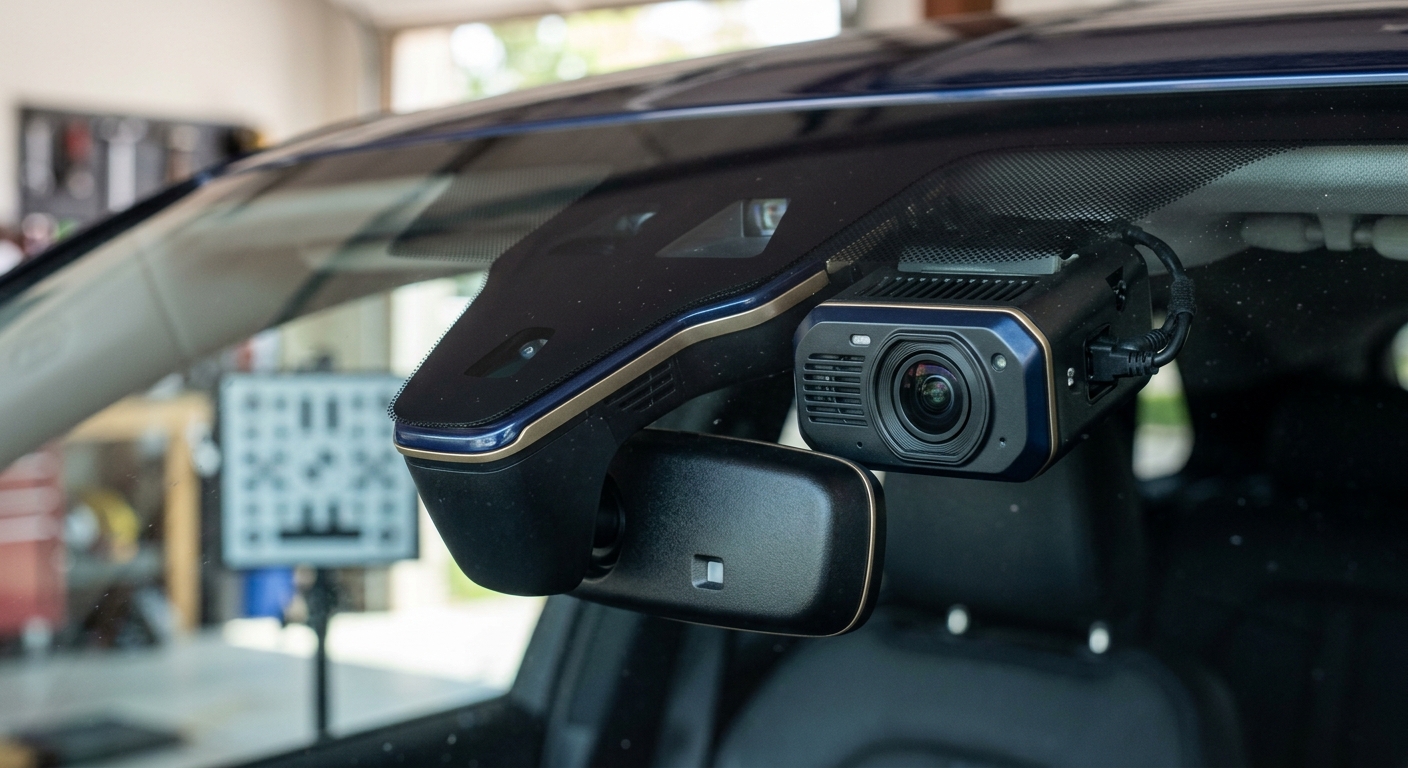
Modern safety systems depend on the camera’s exact position and angle relative to the vehicle. If the windshield glass, camera bracket, or camera module moves even a few millimeters, lane-keeping assistance, traffic-sign recognition, forward collision mitigation, and adaptive cruise control can become inaccurate or disabled. That’s not a convenience issue — it’s a safety issue. In McKinney we treat this like an alignment for your car’s “eyes.”
When you need windshield camera calibration
- After windshield replacement or any time the camera bracket or adhesive was disturbed.
- After replacing the camera module, Rain/Light (RLS) sensor, or windshield-mounted bracket.
- If ADAS warning lights or DTCs (diagnostic trouble codes) appear: camera/sensor faults, LKA/LDW errors, or SRS/airbag codes related to camera inputs.
- After body repairs that could change bumper or hood alignment, or changes to ride height that affect camera angle.
Static vs Dynamic calibration — which one does your car need?
Technicians use two main calibration methods:
- Static (target) calibration: Uses printed targets placed at precise heights and distances. The technician connects a scan tool and follows a manufacturer procedure. Required when the camera’s mounting geometry must be measured precisely.
- Dynamic (driving) calibration: The vehicle is driven under certain conditions while the system learns the camera position. Useful for some models and minor adjustments.
Which method is required depends on the make, model, and the manufacturer’s stated procedure. Some vehicles require both.
Model-specific notes and gotchas
Tesla Model 3 and Model Y
Tesla windshields often include integrated camera mounts and rain/light detectors. After a windshield replacement you’ll commonly see a message that Autopilot or camera calibration is in progress. Many Tesla owners find the system recalibrates during normal driving, but timing varies and some situations require a technician with a calibration tool or software access. If the camera bracket position changed or the vehicle shows persistent errors, bring it in — Tesla or a qualified ADAS shop can confirm completion.
Audi
Audi vehicles use precise windshield cameras for lane assist and traffic sign recognition. Audi often requires static target calibration at a specific distance and orientation. Incorrect adhesive curing or a slightly misaligned bracket during windshield replacement is a common cause of failed calibrations.
Toyota
Toyota’s systems (Pre-Collision System, Lane Departure Alert) frequently allow dynamic calibration by driving under specified conditions, but many Toyota models still require static calibration if the camera or windshield bracket was removed or replaced. Always follow the Toyota procedure to avoid intermittent warnings.
General tip
Even when a vehicle supports driving-based calibration, a static check with a scan tool is good practice. That quick check confirms the camera’s self-test values and DTCs so you don’t get a surprise warning later.
What a proper calibration visit looks like in McKinney
On a mobile visit we follow these steps:
- Verify vehicle history and why calibration is needed (windshield replacement, camera swap, DTCs).
- Visually inspect the windshield mounting area: camera bracket, adhesive bead, harness connector (windshield harness, 8- or 12-pin connector depending on model).
- Connect a professional scan tool and read live data and DTCs (ensures the camera is communicating and the system recognizes inputs).
- Decide static vs dynamic procedure per manufacturer instructions—set up targets if static calibration is required.
- Perform calibration, clear codes, and run final verification including a short road test if needed.
Tools and equipment used
Certified ADAS technicians use calibrated tools, including:
- Manufacturer-level or ADAS-capable scan tools that can command camera calibrations and read live camera offsets.
- Calibration targets and stands or a portable calibration rig for static setups.
- Precision tape measures, angle gauges and leveling tools to set target positions to millimeter accuracy.
There are aftermarket windshield camera calibration tools, but they must be used by trained techs and verified against OEM specs. If you’re searching “windshield camera calibration tool” online, make sure the tool supports your vehicle’s manufacturer procedure.
Typical diagnostic codes you might see (plain language)
Below are common camera-related DTCs and what they mean in plain English:
- Camera Communication Fault: The control module isn’t getting data from the camera — could be a harness, connector, camera failure, or module issue.
- Camera Calibration Offset: The camera’s measured angle or position is outside the manufacturer’s tolerance — calibration required.
- Lane Departure/Lane Keep Assist Warning: The system can’t reliably see lane markings — camera view or calibration is compromised.
- Traffic Sign Recognition Fault: Camera or software can’t process signs, often related to camera misalignment or lens contamination.
How windshield camera calibration is documented
After calibration we document the procedure, tool used, any DTCs cleared, and a short road-test summary. If your insurer or shop needs proof, this documentation shows the calibration followed the manufacturer’s steps.
Comparison table: calibration methods at a glance
| Method | When used | What you’ll see | Where it can be done |
|---|---|---|---|
| Static (target) | Camera or bracket removed, windshield replaced | Targets, scan tool commands, millimeter measurements | Shop or mobile rig with target space |
| Dynamic (driving) | Minor offset, supported by manufacturer | Drive cycle with specific speeds/conditions, automatic self-cal | Road test — technician monitors live data |
| Hybrid | Manufacturer requires verification plus road drive | Targets + drive validation | Shop or mobile with targets + road access |
Windshield camera calibration cost — what to expect
Cost varies by vehicle make, calibration method, and whether static targets are required. For a precise quote for your car in McKinney, call (469) 277-7277 — pricing depends on the vehicle and procedure. We’ll tell you whether a mobile visit or shop session is needed and what the service includes.
Common mistakes to avoid
- Assuming driving will always finish calibration — if the bracket or adhesive was changed, static calibration may be mandatory.
- Using a non-validated aftermarket target or incorrect distances — even small angle errors cause warnings.
- Ignoring DTCs after windshield work — a cleared code during replacement doesn’t guarantee long-term accuracy.
How we help in McKinney
We provide mobile ADAS calibration in McKinney, bringing calibrated targets and factory-capable scanners to your vehicle when possible. If a shop visit is better, we’ll advise that too. For related systems like airbag and SRS diagnostics, see our vehicle safety services overview to keep safety systems coordinated: vehicle safety system services. If you need module programming after a camera swap, our module programming page explains the mobile options.
FAQ
Q: How long does windshield camera calibration take?
A: That depends on the car and method. Static calibrations with targets take longer because of setup; driving calibrations take time on the road. Call (469) 277-7277 and we’ll estimate time for your specific vehicle.
Q: Can Tesla Model 3 or Model Y cameras recalibrate by driving?
A: Often yes, Tesla systems may recalibrate during normal driving, but persistent errors or visible bracket movement usually need a technician check. If you see ongoing warnings, book a service in McKinney.
Q: Will an aftermarket windshield cause calibration issues?
A: It can. The camera’s mount position, the glass thickness, and the optical properties of the windshield can affect camera view. A certified installer should follow OEM mounting and adhesive procedures.
Q: Can I skip calibration if my ADAS seems to work?
A: No. Some faults are intermittent and won’t show until you really need the system. Calibration ensures the system meets manufacturer tolerances — it’s a safety step, not optional.
Q: How do I find “windshield camera calibration near me” in McKinney?
A: Search for mobile ADAS calibration providers or call (469) 277-7277 to schedule a visit. We offer on-site calibration and can advise if a shop target setup is required.
Ready to confirm whether your vehicle needs a static target setup or a driving calibration? Schedule an appointment for mobile ADAS calibration near me and we’ll come to you in McKinney — or call (469) 277-7277 for a quick quote and guidance.


