
Why the Ford DTC P25B0 Code Matters
If you or your shop is working on a Ford vehicle that’s throwing a P25B0 diagnostic trouble code (DTC), it’s more than just a technical hiccup—it could lead to compromised drivability and even raise safety concerns. This code directly involves the communication between major vehicle control systems, and in rebuilt or salvage vehicles, it’s especially important to address it properly to avoid further electrical issues or potential safety failures.
What Does Code P25B0 Mean?
DTC P25B0 stands for “Requested Torque Signal Circuit Malfunction.” In plain terms, this means there is a communication breakdown between the Powertrain Control Module (PCM) and other control units—most commonly the Electronic Brake Control Module (EBCM). This signal is part of the torque management system that ensures your engine, transmission, and braking systems work together smoothly.
Common Causes of Ford P25B0
- Open circuit or short in the delivered torque signal wiring
- Corroded or loose connectors in the torque signal circuit
- Faulty PCM or EBCM communication due to ground issues
- Frequency or duty cycle anomalies in the communication signal
- Water intrusion or wiring damage in vehicles with previous collision or flood history
For salvage and rebuilt vehicles—a common sight in Melissa TX, especially post-holiday auctions—these issues can often be traced back to incomplete or improper electrical repairs.
Symptoms Drivers or Shops Might Notice
Although this code might not always illuminate the check engine light immediately, drivers or repair shops may observe:
- Poor throttle response
- Unusual engine behavior during acceleration
- Traction control or ABS warning lights
- Inconsistent torque delivery
- Communication errors during vehicle diagnostics
These symptoms can be intermittent or become progressively worse, especially in colder January weather when battery voltage and ground connections are more prone to issues.
Recommended Solutions from DFW Safety Restore
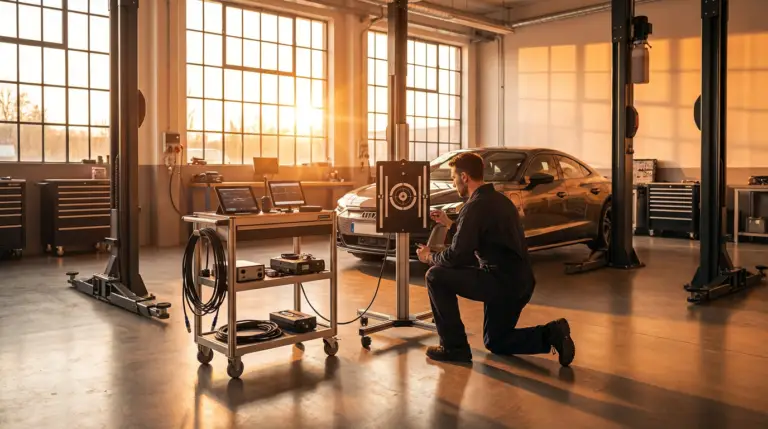
At DFW Safety Restore in Melissa, TX, we specialize in diagnosing and repairing signal-based issues like P25B0. Our technicians use advanced diagnostic tools to trace faults to their source and offer the following services to address this DTC:
- Vehicle Diagnostic: Pinpoint exact failures in the torque signal circuit or module communication.
- Airbag Module Programming and Replacement: Ensure control modules are correctly communicating with the PCM.
- SRS Airbag Module Reset: After a collision or electrical surge, resetting or reprogramming modules can resolve signal faults.
- Clock Spring Replacement: If steering column wiring is involved, a damaged clock spring can affect communication.
- ADAS Calibration: Ensures systems like traction control and braking are aligned with torque requests.
- CarFax and AutoCheck Reports: Verify if the vehicle had prior electrical or collision issues that may have contributed to this code.
For body shops and used car dealerships prepping vehicles for sale or inspection, clearing DTC P25B0 correctly ensures a clean diagnostic slate and improves customer confidence. Learn more about our vehicle safety system services.
Why Professional Help Is Essential
DIY fixes or ignoring this code can lead to cascading electrical issues, especially in vehicles with a salvage or rebuilt title. Faulty communication between modules can compromise traction control, stability systems, and even airbag deployment timing. Our team at DFW Safety Restore brings the expertise, tools, and OEM-level programming necessary to resolve P25B0 accurately and safely.
Get Your Vehicle Diagnosed Today
Don’t let a torque signal malfunction affect your vehicle’s performance or safety. Whether you’re a collision shop, used car dealer, or a Texas driver with a rebuilt vehicle, contact DFW Safety Restore today to schedule a full diagnostic scan and repair. We proudly serve the Melissa TX area with expert module resets, replacements, and calibrations to keep your vehicle road-safe and inspection-ready.
Use our free VIN decoder to check your vehicle’s history and modules before scheduling service!