
What Is ADAS Calibration? A Safety-First Guide for DFW Drivers and Shops
Modern vehicles in the Dallas–Fort Worth area rely on cameras, radar, and sensors to help prevent crashes, not just to add convenience features. When any of those parts move even slightly, your vehicle’s Advanced Driver Assistance Systems (ADAS) can become inaccurate, which is where ADAS calibration comes in.
- ADAS calibration is the precise alignment and programming of your vehicle’s cameras, radar, and sensors so that features like lane-keep assist and automatic emergency braking work as the manufacturer intended.
- You typically need ADAS recalibration after a windshield replacement, collision repair, bumper or sensor replacement, suspension or ride height changes, or even some wheel alignments.
- Skipping or guessing on ADAS calibration is a serious safety and liability risk; in the Dallas–Fort Worth area, DFW Safety Restore provides professional ADAS Calibration following OEM procedures for local drivers and repair shops.
In This Guide:
– What Is ADAS Calibration? – Plain-language explanation of how it keeps modern safety systems accurate.
– When Do You Need ADAS Recalibration? – Common triggers like windshield replacement, collisions, and sensor changes.
– Camera, Radar, and Blind Spot Calibrations – How each system is calibrated and why OEM methods matter.
– Tools and ADAS Calibration Equipment – Overview of ADAS calibration machines, including Autel ADAS options.
– DIY Risks vs Professional ADAS Calibration in DFW – Why this job belongs in a calibrated bay, not your driveway.
Whether you are a vehicle owner in Little Elm TX or manage a body, glass, or collision shop anywhere in DFW, understanding what ADAS calibration is – and when it is required – is now part of basic vehicle safety. This guide explains it in plain English and shows when to call DFW Safety Restore for professional help.
What Is ADAS Calibration? (Basics)
ADAS and Modern Driver-Assistance Systems Explained
ADAS stands for Advanced Driver Assistance Systems – electronic systems that help drivers avoid or reduce the severity of crashes. These systems rely on inputs from cameras, radar, ultrasonic sensors, and sometimes lidar around the vehicle. Common ADAS features include lane-keep assist, lane departure warning, adaptive cruise control, automatic emergency braking, blind-spot monitoring, and parking assist.
Every one of these systems depends on the vehicle knowing exactly where other vehicles, lane lines, and obstacles are relative to your car. If a camera or radar sensor is even a few millimeters off, the electronic “picture” the car sees is wrong. That can cause the system to warn too late, overreact, or not react at all when you need it most.
The Meaning of ADAS Calibration and Recalibration
If you have searched for “what is adas calibration,” the short answer is: it is the process of precisely aligning and programming your vehicle’s cameras, radar, and sensors so they match factory (OEM) specifications. During ADAS calibration, a technician uses specialized equipment and targets to tell the vehicle where “straight ahead,” the lane lines, and other reference points are in the real world.
ADAS recalibration refers to performing this process again after something has changed, such as a windshield replacement, collision repair, or sensor replacement. Recalibration makes sure the ADAS systems are re-synced to the new positions of the glass, bumpers, suspension, or body components. Skipping recalibration means your safety systems are guessing, not measuring.
Why Accurate Sensor Alignment Is Critical for Safety
On the road, a tiny angle error at the sensor can equal several feet of error in front of your vehicle. At highway speed, that can mean your automatic braking system recognizes a stopped car a split-second too late. A misaligned lane-keep camera may “see” the lane line in the wrong spot, causing the car to steer you toward the line instead of away from it.
Misaligned radar can also cause your adaptive cruise control to follow too closely or suddenly brake when nothing is actually in your lane. In a real emergency, a miscalibrated ADAS system may fail to warn you or may respond incorrectly, increasing crash risk rather than reducing it.
When Do You Need ADAS Recalibration?
Common Triggers After Repairs and Collisions
Anytime something moves, bends, or is replaced near an ADAS sensor, you should assume ADAS calibration may be required. Below are common events where professional shops and vehicle owners in Dallas–Fort Worth should plan for ADAS recalibration:
- Windshield replacement – If your vehicle has a front camera attached to the windshield, you almost always need adas windshield calibration after glass replacement.
- Front or rear bumper repair or replacement – Bumpers often house radar and parking sensors, so even a small impact or refinish work can change sensor alignment.
- Collision damage – Even minor fender-benders, hail strikes, or curb hits can alter brackets, mounts, and vehicle geometry enough to require recalibration.
- Suspension work, lift kits, or ride height changes – Changing ride height changes the angle of cameras and radar; calibration is critical afterward.
- Wheel alignment on ADAS-equipped vehicles – On many models, OEM procedures call for checking or recalibrating ADAS after alignment.
- Camera, radar, or blind-spot sensor replacement – Any time you replace or move a sensor, you must recalibrate it.
- Roof or tailgate repairs – Overhead or rearview cameras and rear radar modules can be disturbed during these repairs.
Severe DFW storms and hail can also cause subtle damage that shifts sensors and brackets without obvious body damage. In fact, hail damage can knock ADAS sensors and safety systems out of alignment, so post-storm inspections and calibrations are often necessary.
Symptoms of a Miscalibrated ADAS System
Sometimes, miscalibration is obvious. Other times, the vehicle feels “off,” but no warning lights are on. Pay attention to these driver-facing symptoms that suggest you may need ADAS recalibration:
- Warning lights, “ADAS unavailable,” or “Front camera/radar blocked” messages on the dash.
- Lane-keeping assist that pulls too hard, too late, or seems to fight you when the road is straight.
- Adaptive cruise control that follows too closely, brakes suddenly, or fails to respond to traffic ahead.
- Blind-spot alerts that come on too early, too late, or when nothing is beside you.
- Parking sensors that beep constantly or stay silent even when you are close to an object.
Important: You can still have a miscalibrated system even if there are no warning lights. After a windshield replacement, collision repair, hail damage repair, or suspension modification, drivers in Little Elm TX should not assume ADAS is accurate until proper calibration is performed.
OEM Requirements You Can’t Afford to Ignore
Major automakers like Toyota, Honda, Ford, GM, Nissan, Hyundai, and others publish specific OEM procedures that spell out when ADAS calibration is required. These are not suggestions; they are part of the factory repair process that insurers and collision shops are expected to follow. Ignoring them can expose both the shop and vehicle owner to safety and liability risks.
For example, Honda radar calibration is often required after any frontal impact, removal of the radar unit, or replacement of the front bumper cover. Failing to calibrate radar correctly could mean the car’s collision mitigation braking system misjudges distances. In Texas, if a vehicle is returned to a customer without required ADAS calibration and a crash occurs, everyone involved in that repair could face serious questions about why OEM procedures were not followed.
At DFW Safety Restore, we treat ADAS calibration as a core safety service, not an optional add-on. Our process includes Vehicle Diagnostic scans, reference to OEM repair information, and documentation that calibration was performed, protecting both drivers and repair facilities in the Dallas–Fort Worth area.
Types of ADAS Calibration: Camera, Radar, and Blind-Spot Systems
ADAS Camera Calibration
ADAS camera calibration focuses on the image-based systems your vehicle uses to see lane lines, traffic signs, and objects. These include forward-facing windshield cameras, 360° surround-view cameras, and rearview cameras that integrate with parking assist. Even a slight shift in the camera’s angle or position changes how the system interprets the road.
There are two main types of camera calibration. Static calibration is done in a controlled bay with printed or digital targets placed at precise distances and heights. Dynamic calibration is done while driving the vehicle at specific speeds and conditions so the system can learn its environment. Many vehicles require one or the other, and some require both.
ADAS Windshield Calibration
On vehicles with cameras mounted to the windshield, any glass work usually demands adas windshield calibration. The new glass might have a slightly different curvature or mounting location, and even OEM glass must be verified for correct camera aim. If the camera is off, lane-keep assist and automatic emergency braking will not function as the manufacturer intended.
This is why shops doing windshield replacement in Little Elm TX and the wider DFW area often partner with a dedicated calibration provider like DFW Safety Restore. We handle the post-installation ADAS Calibration so that customers leave with both a new windshield and properly aligned safety systems.
Radar Calibration and How to Calibrate Radar Safely
Radar sensors are typically located behind front and rear bumpers, in grilles, or in side panels. Radar calibration ensures that these sensors measure distance and angle correctly for systems like adaptive cruise control, forward-collision warning, and rear cross-traffic alert. When you calibrate radar, you are teaching the vehicle exactly where straight-ahead and side reference points are in physical space.
To do this safely and accurately, shops need a level floor, controlled lighting, and specialized ADAS calibration equipment such as radar reflectors and alignment tools. As mentioned earlier, Honda radar calibration and similar brand-specific procedures must be followed exactly, using the proper targets and distances. Guessing at the setup, using a sloped floor, or skipping steps is not acceptable for safety-critical systems.
Blind Spot Sensor Calibration
Blind spot sensor calibration applies primarily to rear and side radar sensors that watch the lanes beside and slightly behind your vehicle. These sensors are usually hidden behind plastic bumper covers or in the rear quarter panels. Their aim must be precise so that they alert you when a vehicle is truly in your blind spot, not two lanes over.
Bumper repairs, repaints, replacements, and even some dent repairs can shift these sensors or change how radar passes through the bumper cover. After such work, shops in the Dallas–Fort Worth area should schedule ADAS Calibration with a qualified provider like DFW Safety Restore before returning the vehicle to the road.
Static vs Dynamic ADAS Calibration Methods
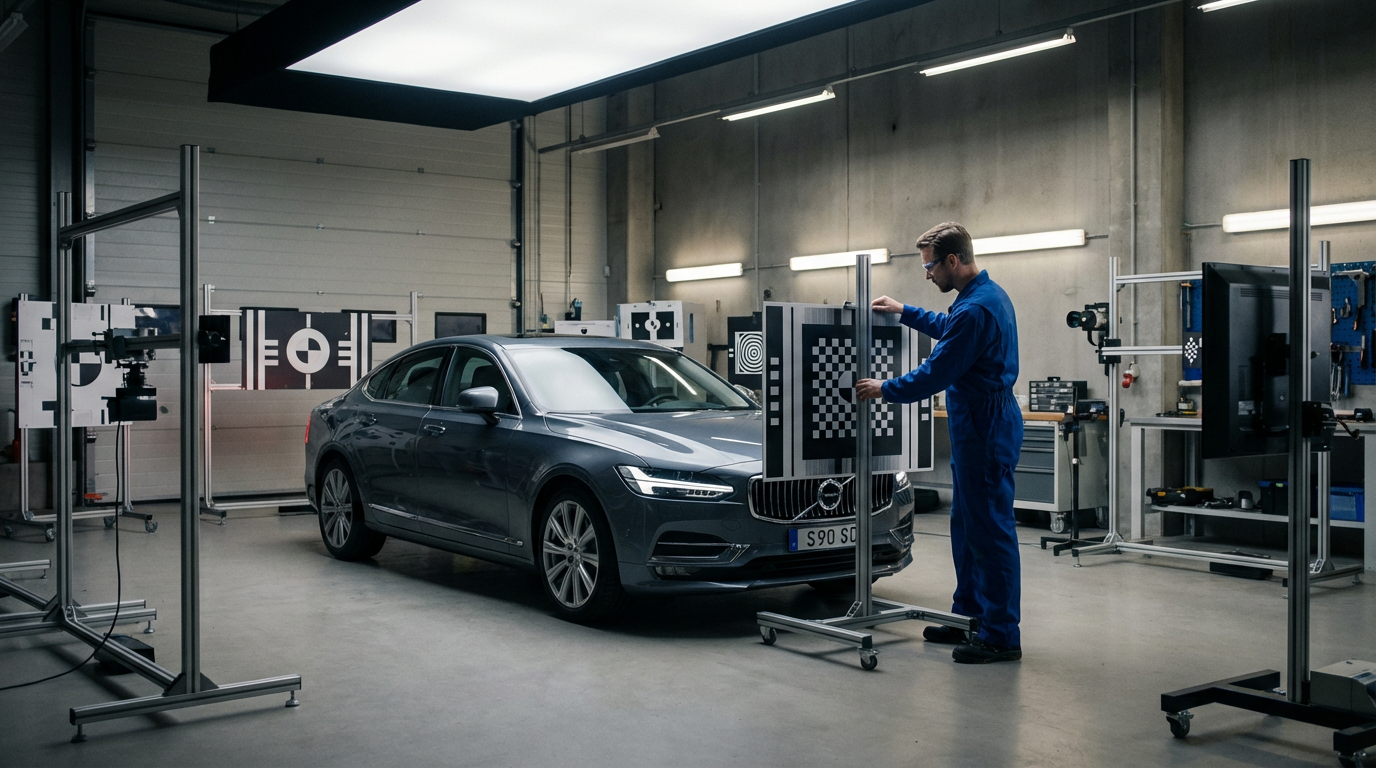
Different vehicles and systems use different calibration methods, and many modern cars require both static and dynamic procedures. Knowing the difference helps vehicle owners and shop managers understand why ADAS calibration takes time and controlled conditions.
Static Calibration in a Controlled Bay
Static calibration is performed with the vehicle stationary in a level, well-lit bay. Technicians use a calibrated frame, targets, laser alignment, and measuring tools to position ADAS targets in exact locations around the vehicle. The vehicle’s onboard computer then uses those targets to set reference angles and distances.
Because static procedures depend on millimeter-level accuracy, the quality of the bay setup matters. Sloped floors, poor lighting, or incorrect measurements can lead to improper calibration. Professional ADAS calibration machines and strict adherence to OEM procedures are essential to ensure reliable results.
Dynamic Calibration on the Road
Dynamic calibration (sometimes called “on-road calibration”) is done while driving the vehicle at specified speeds under specific conditions. During this process, the system uses real-world lane lines, traffic, and objects to fine-tune its alignment. The scan tool guides the technician through the sequence and confirms when calibration is complete.
Certain systems will not complete dynamic calibration if the weather, traffic, or road markings are inadequate. That is one reason rushing the process or trying to perform it without proper equipment is unsafe. Some vehicles require static calibration first, followed by dynamic calibration to fully verify performance.
Brand- and System-Specific Requirements
Every automaker, and sometimes each model within a brand, can have different calibration requirements for the same type of system. One vehicle may need only static camera calibration after a windshield replacement, while another may require both static and dynamic steps. Radar and blind spot sensor calibration procedures also vary widely.
DFW Safety Restore uses factory information and professional ADAS calibration machines to ensure we are following the right process for your exact year, make, and model. We pair that with Vehicle Diagnostic pre- and post-scans to confirm no related fault codes remain.
ADAS Calibration Equipment and Autel Options
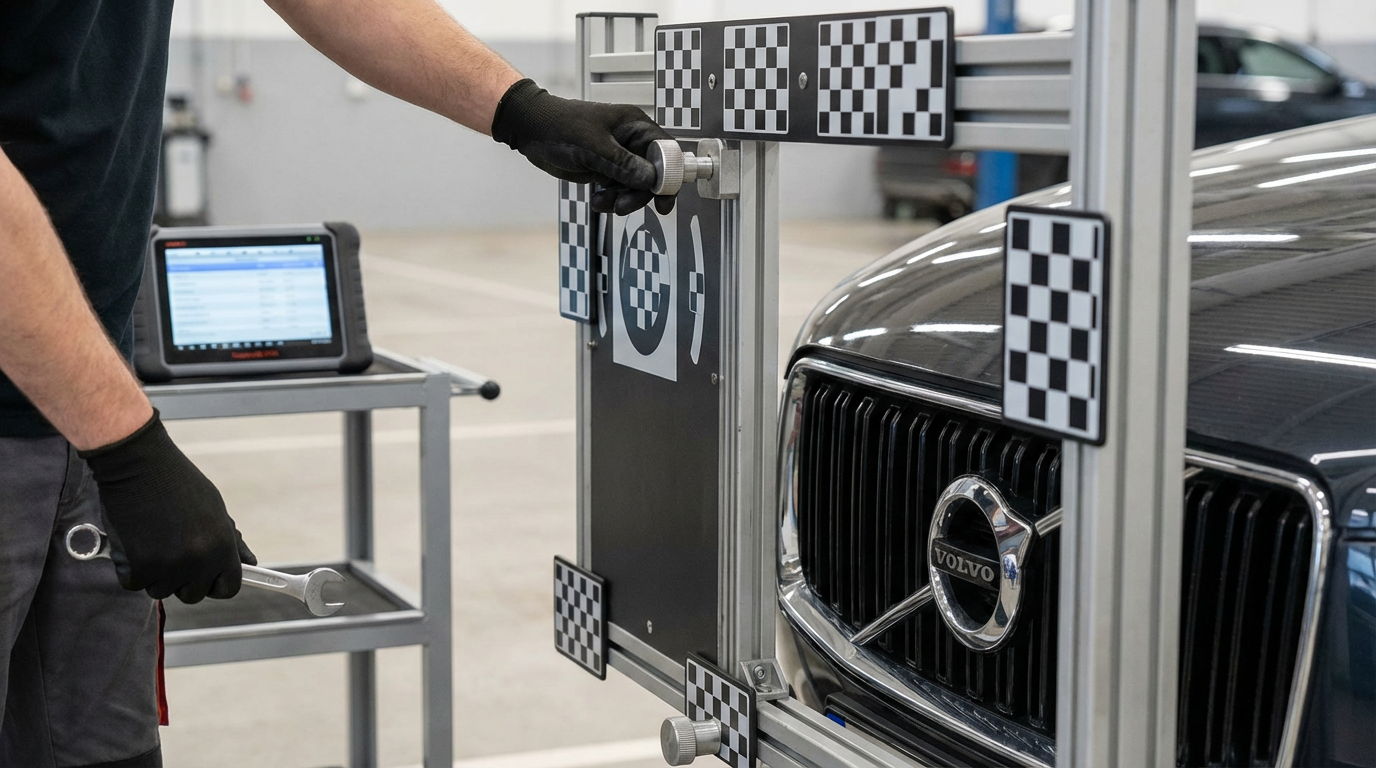
This section explains the tools used to perform ADAS calibration, including examples like Autel ADAS systems. DFW Safety Restore does not sell this equipment; we use professional-grade tools and OEM data to perform calibrations for DFW drivers and repair shops.
What ADAS Calibration Equipment Does
An ADAS calibration machine is a specialized setup that holds targets, mirrors, or radar reflectors at precise positions around a vehicle. It often includes adjustable frames, laser alignment devices, and measuring tools to ensure exact distances and angles. The goal is to give the vehicle a known reference environment so it can align its sensors correctly.
Typical ADAS calibration equipment includes physical target boards, radar reflectors, camera aiming devices, a compatible scan tool, and sometimes integrated wheel alignment or ride height measurement tools. During calibration, the scan tool communicates with vehicle computers, puts systems into calibration mode, and confirms when each step has passed or failed.
Overview of Autel ADAS Calibration Tools
Autel ADAS systems and related products like Autel adas calibration setups, Auteladas solutions, and the Autel adas calibration tool line are examples of modern calibration platforms used in the industry. These systems provide adjustable frames, vehicle-specific target packages, and software that guides technicians through camera, radar, and blind spot sensor calibration procedures.
When paired with the correct OEM service information and proper bay setup, tools like Autel ADAS can support adas camera calibration, radar calibration, and other ADAS procedures across many makes and models. The key is not just owning the equipment, but using it exactly as the manufacturer specifies.
Why OEM Procedures Matter More Than the Machine Alone
No matter how advanced the ADAS calibration machine is, it is only as accurate as the procedures and measurements the technician follows. That is why OEM procedures always come first. They dictate target positions, calibration order, ride height checks, and when dynamic calibration is required.
DFW Safety Restore combines professional-grade ADAS calibration equipment with trained technicians who follow OEM repair information and perform Vehicle Diagnostic scans before and after the work. This approach helps protect drivers, collision centers, glass shops, and insurers in the Dallas–Fort Worth area by providing documented, OEM-compliant results instead of guesswork.
DIY Risks vs Professional ADAS Calibration in DFW
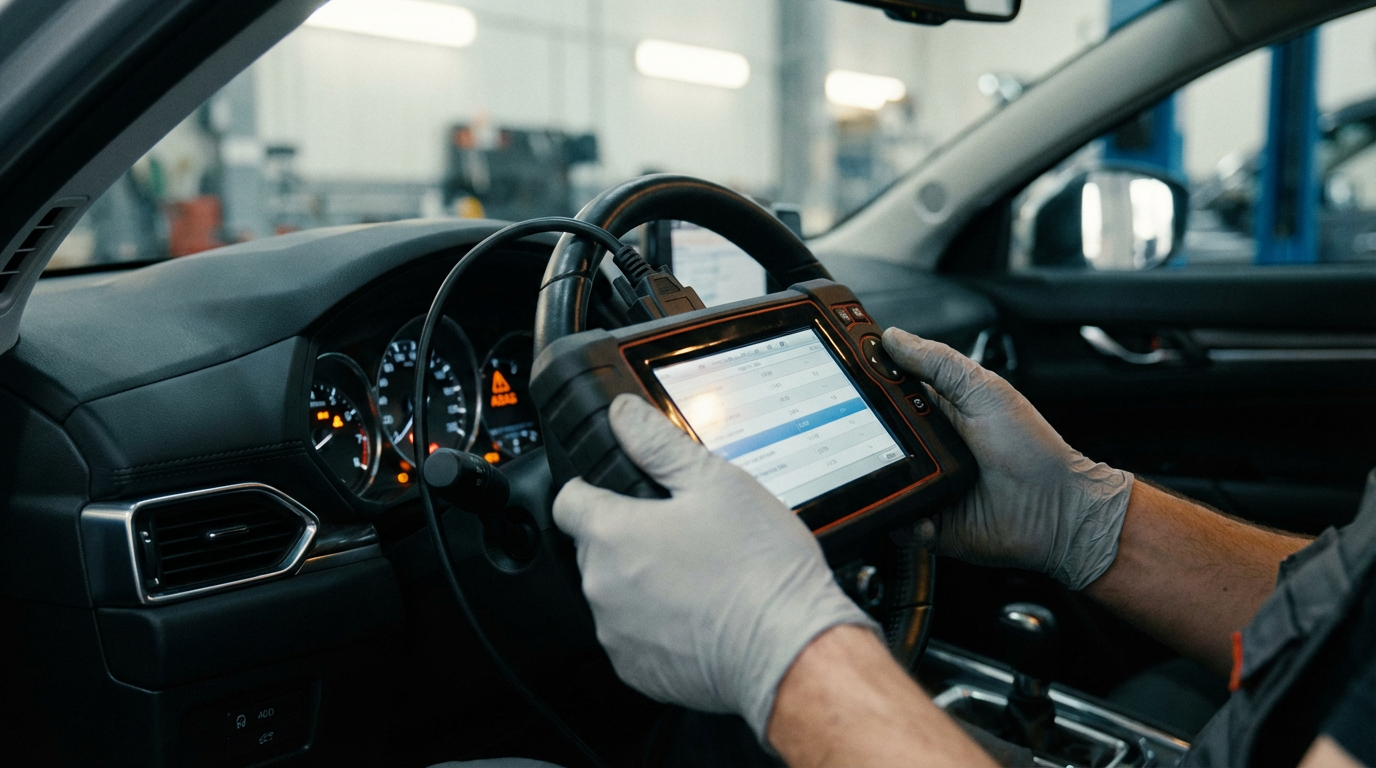
Because ADAS calibration involves software and targets, it can look deceptively simple on the surface. In reality, trying to calibrate cameras or calibrate radar at home or “by eye” is extremely risky for both safety and liability.
Why DIY or “Eyeballing It” Is Dangerous
Most DIY environments do not have level floors, controlled lighting, or calibrated frames and targets. A few inches of error in target placement can create a false sense of safety, where the system appears to work but responds incorrectly when it really counts. That is worse than a system that is obviously disabled.
In addition, ADAS often shares data with braking, stability control, and even power steering systems. An incorrect calibration can affect how these systems behave in emergencies. For shops, guessing at ADAS calibration without documentation exposes you to serious liability if a customer’s vehicle is later involved in a crash in the Dallas–Fort Worth area.
Safety Warning About SRS and Explosives
Modern vehicles also include SRS (Supplemental Restraint System) components – airbags, seat belt pre-tensioners, and related modules – that contain explosive charges. These components are often located close to ADAS wiring, sensors, and control modules. Disturbing wiring or components without proper procedures can cause accidental airbag deployment or disable the system entirely.
Improper handling of SRS components can result in serious injury, property damage, or a complete failure to protect occupants in a real crash. Even though ADAS calibration seems “just electronic,” it is tightly integrated with SRS and braking systems. For this reason, DFW Safety Restore strongly recommends leaving ADAS and SRS-related work to trained professionals who can perform ADAS Calibration, SRS Airbag Module Reset, Airbag Replacement, Seat Belt Replacement, Pre-Tensioner Replacement, and Clock Spring Replacement using the correct tools and safety protocols.
How DFW Safety Restore Handles ADAS Calibration Safely
Our safety-first process for ADAS calibration in Little Elm TX and the greater DFW area is designed to protect both drivers and repair facilities. A typical visit follows these steps:
- Vehicle Diagnostic and pre-scan – We scan ADAS, SRS, and related systems to identify existing faults or stored diagnostic trouble codes, including any diagnostic trouble codes that affect ADAS and safety systems.
- Check OEM requirements – We reference factory repair information for your specific year, make, and model to determine which systems require static, dynamic, or both types of calibration.
- Perform ADAS Calibration – Using professional equipment in a controlled bay, we conduct static and/or dynamic ADAS Calibration for cameras, radar, and blind-spot sensors as required.
- Post-scan and test drive – We run a post-calibration Vehicle Diagnostic scan and perform a test drive when needed to confirm systems are operating as intended.
- Documentation – We provide documentation of the calibration results for customers and, when applicable, insurers or CarFax records. We also offer a CarFax Report and FREE VIN Decoder at this VIN decoder page to help you verify and document your vehicle’s history.
If you are searching for “what is adas calibration” because you just had repairs done, do not rely on guesswork. For safe, OEM-compliant ADAS calibration in Dallas–Fort Worth, contact DFW Safety Restore before putting your driver-assistance systems back into full use.
Local ADAS Calibration Services in Little Elm TX and the DFW Area
DFW Safety Restore is a local service provider, not an equipment manufacturer. We focus on helping drivers and repair facilities in Little Elm TX and across the DFW metroplex keep their vehicles’ safety systems operating to OEM standards.
Who We Serve in Dallas–Fort Worth
We work with individual drivers, collision centers, body shops, glass shops, and fleet operators throughout Dallas–Fort Worth. That includes areas such as Dallas, Fort Worth, Arlington, Plano, Irving, and of course Little Elm TX and surrounding communities.
Our goal is to provide prompt, professional ADAS Calibration and Vehicle Diagnostic services with same-day availability when possible (scheduling and workload dependent). If you are a shop that regularly replaces windshields or repairs front and rear damage, having a reliable calibration partner is now essential.
When to Call DFW Safety Restore
Contact DFW Safety Restore in Little Elm TX or schedule service online whenever you encounter these situations:
- After a windshield replacement on a vehicle with a front-facing camera or rain sensor near the mirror.
- After any collision repair, especially involving front or rear bumper, grille, or tailgate damage.
- After bumper, radar, camera, or blind-spot sensor replacement or refinishing.
- When ADAS warning lights, “system unavailable” messages, or unusual driver-assist behavior appear.
- After hail damage repairs, since post-hail repairs in Little Elm TX often require ADAS recalibration even when body damage looks minor.
You can learn more about our Little Elm TX services here: https://lockncal.com/Little-Elm-TX. We also provide a FREE VIN Decoder tool to help you identify safety equipment and options installed on your vehicle: https://lockncal.com/vin-decoder/.
Related Safety Services We Offer
In addition to ADAS Calibration, DFW Safety Restore offers several related safety and convenience services drawn from our approved menu:
- Vehicle Diagnostic – To identify ADAS, SRS, and other electronic faults before and after repairs.
- SRS Airbag Module Reset and Airbag Module Replacement – When crash events or faults require attention to the airbag control unit.
- Airbag Replacement, Seat Belt Replacement, and Pre-Tensioner Replacement – To restore crash restraint systems to proper working condition.
- Clock Spring Replacement – For steering wheel wiring issues that can affect airbag, horn, and control buttons.
- Vehicle Key Cutting, Transponder Key Programming, Smart Key Programming, Key Fob Replacement & Programming, Car Lockout Assistance, Vehicle All Keys Lost, Vehicle Key Duplication, Vehicle Key Copying, and general Locksmith Services – To help you securely access and operate your vehicle.
If you are in Little Elm TX or anywhere in the Dallas–Fort Worth area, schedule your ADAS Calibration with DFW Safety Restore before you trust your vehicle’s driver-assistance systems again.
FAQs About ADAS Calibration
Below are straightforward answers to some of the most common questions DFW drivers and shop owners ask about ADAS calibration and recalibration.
What is ADAS calibration and why is it important?
ADAS calibration is the process of aligning and programming your vehicle’s cameras, radar, and sensors so that driver-assistance features like lane-keep assist, adaptive cruise control, and automatic emergency braking work exactly as the manufacturer designed. Proper calibration ensures that the vehicle “sees” its surroundings accurately and reacts at the right time. When calibration is skipped or performed incorrectly, these systems may warn too late, overreact, or fail to intervene, increasing your crash risk.
When does my car need ADAS recalibration?
Your car typically needs ADAS recalibration after a windshield replacement, front or rear bumper repair or replacement, any collision repair, suspension or ride height changes, certain wheel alignments, or anytime ADAS cameras, radar, or blind-spot sensors are moved or replaced. OEM procedures also may require recalibration after roof, tailgate, or hatch work that affects cameras or radar modules. When in doubt, ask your repair shop or contact DFW Safety Restore for a Vehicle Diagnostic check.
How long does ADAS calibration take?
Most ADAS calibrations in the Dallas–Fort Worth area take about 1–3 hours, depending on the vehicle, the number of systems involved, and whether static, dynamic, or both types of calibration are required. Some cases are quicker, and complex vehicles with multiple systems can take longer. Rushing the process or skipping required steps is unsafe, so plan adequate time for a thorough, OEM-compliant calibration.
How much does ADAS calibration cost in the Dallas–Fort Worth area?
In DFW, most ADAS calibrations fall in the low hundreds of dollars, but the exact cost depends on your vehicle’s make, model, and which systems need calibration. For example, calibrating a single front camera after a windshield replacement typically costs less than calibrating multiple cameras and radar sensors after a major collision repair. For an accurate quote tailored to your vehicle and situation, contact DFW Safety Restore in Little Elm TX.
Can I drive my vehicle before getting ADAS calibration done?
Your vehicle may still be drivable in the basic sense, but driving without proper ADAS calibration is risky. Systems like automatic emergency braking, lane-keep assist, and blind-spot monitoring may not warn you or react correctly, and in some cases can behave unpredictably. After a windshield replacement, collision, or sensor-related repair, minimize driving and schedule professional ADAS Calibration with a provider like DFW Safety Restore as soon as possible.
For local, OEM-focused ADAS calibration, diagnostics, and related safety services in the Dallas–Fort Worth area, visit our Little Elm TX page at https://lockncal.com/Little-Elm-TX or use our FREE VIN Decoder to get started.