 Skip to content

Used Airbag Module Risks — Why Reset or Replacement Matters
Direct answer: Buying or installing a used airbag (SRS) module can be risky because a salvaged module may still contain crash data, incorrect programming, or hidden damage that prevents proper airbag deployment — or causes unexpected deployment. The safe alternatives are a proper replacement or a professional reset/reprogramming of the module and sensors.
Not near Dallas–Fort Worth? Mail us your airbag / SRS module.
We reset most airbag control modules by mail — free 2-way shipping and a fast turnaround. We clear the crash data, restore factory settings, and ship it right back, anywhere in the U.S.
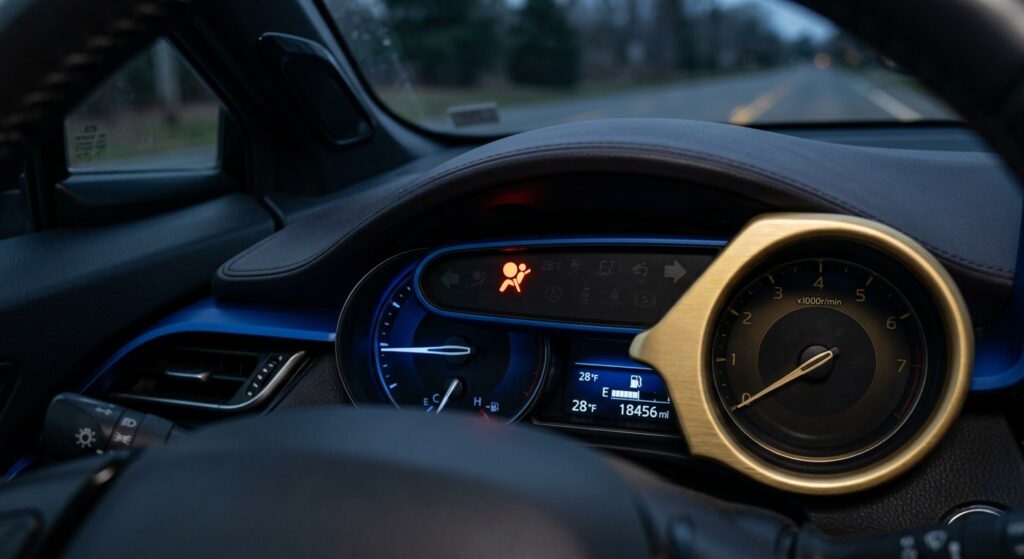
After a fault like this, the airbag/SRS module often needs resetting to clear the warning light — that’s our airbag module reset service, mobile in DFW or mail-in nationwide with free two-way shipping.
Key Takeaways
- Used airbag modules often conceal crash data and calibration mismatches that affect safety.
- Repair kits and splices are unsafe and not manufacturer-approved; replacement or reset is required.
- Resetting or programming a module to the correct VIN and sensor set restores the system correctly.
- LockNCal offers a nationwide mail-in SRS airbag module reset and mobile safety services.
Why people buy used airbag modules
When an airbag light is on after a crash or a failed component, some owners shop salvage yards or online marketplaces for used SRS (airbag) modules to avoid dealer costs or long wait times. On the surface a used module looks like a fast, cheap fix: drop it in, clear codes, and the light goes out. But appearance and a cleared code are not proof of safety.
What a used airbag module can hide
Here are the most common and dangerous issues that come with a used SRS module:
- Crash event memory: Many modules store crash data and event flags that aren’t visible until scanned with the right tools. If this data isn’t properly cleared by a qualified reset, the system may consider itself “spent.”
- VIN and vehicle-specific coding: Modules are often coded to a vehicle’s VIN, sensor locations, and restraint configuration. A mismatch can disable deployment in the wrong crash scenario.
- Sensor compatibility and serial numbers: Modern systems pair sensor serials and pretensioner state with the module. A used module may be incompatible with your seat belt pretensioners, occupant detection, or side-impact sensors.
- Hidden physical or electrical damage: Collisions that deploy airbags often cause wiring harness damage, connector corrosion, or board damage that isn’t obvious from the outside.
- Counterfeit or altered units: Some salvaged modules have been opened, resealed, or modified in ways that break safety functionality.
Real-world consequences
Putting a used module into active service can lead to several real risks:
- Airbags that do not deploy when needed.
- Airbags that deploy unexpectedly or with incorrect force.
- Seat belt pretensioners that fail to fire or have already fired.
- Persistent SRS warning lights that mask real faults or prevent the vehicle from passing inspection.
- Insurance or legal complications if a salvaged part is discovered after a crash.
How technicians diagnose a used module problem
A technician will typically:
- Read all SRS fault codes and event memory with a full-featured scan tool.
- Check VIN coding, software level, and module serial numbers against the vehicle.
- Inspect connectors, harnesses, and sensor resistance values (ohms) for signs of damage.
- Confirm whether the module can be safely reset or if replacement is required.
At-a-glance comparison: used module vs reset vs replacement
| Issue | Used (salvaged) module | Professional reset or new module + programming |
|---|---|---|
| Crash data present | Often yes — may be hidden | No — cleared or new, correctly documented |
| VIN / coding match | Often mismatched or unknown | Set to your VIN and sensor configuration |
| Deployment reliability | Uncertain — safety compromised | Verified and restored to manufacturer intent |
| Legal / insurance risk | Higher — documentation may be missing | Lower — service records and proper reset/programming |
Why “repair” and DIY kits are not the answer
Searches like “airbag module repair” or “seat belt repair kit” are common — but many advertised “repairs” are unsafe. Repair kits, stitched webbing, or board-level tinkering can leave a restraint that looks fine but will fail in a crash. Pretensioners and airbags contain single-use pyrotechnic devices; the manufacturer-approved fixes are replacement, or reset/reprogramming of the module when appropriate.
Using non‑OEM splices, bypass resistors, or homemade fixes can disable deployment timing, change sensor triggers, or leave hidden faults. That’s why a correct technician workflow is: diagnose → replace or professionally reset/program → retest, not a splice or cosmetic fix.
Safe options if you’re considering a used module
If you’re weighing options, follow this checklist:
- Prefer resetting the original module or getting a new OEM replacement — don’t install an unknown salvaged unit.
- If a used unit is unavoidable, insist on full event memory review and documented reprogramming to your VIN by a qualified shop.
- After any module swap or reset, run a full SRS diagnostic and a road- or static-based sensor check to confirm ADAS and SRS status.
- Keep service records; for insurance and resale it’s safer to show a documented reset or proper replacement.
How LockNCal helps (what we actually do)
LockNCal does not perform “repairs” on pyrotechnic devices or re-sew webbing. What we offer that applies directly to this problem:
- Nationwide mail-in SRS airbag module reset and crash data deletion — secure shipping and professional reset service. See our mail-in airbag module reset for details.
- Mobile and on-site vehicle safety system services including module programming and SRS diagnostics. Learn more about our vehicle safety system services.
- An overview of our mail-in workflow and security practices is available on the mail-in services page so you can verify chain-of-custody and turnaround expectations.
What to do right now if you have or found a used module
- Don’t install the unit without a full diagnostic scan.
- Read the module’s event memory. If crash data exists, it must be professionally cleared or the module replaced.
- Confirm VIN and software level match the vehicle, and verify sensor serial pairings if your vehicle requires them.
- If in doubt, use a trusted reset service or schedule a professional inspection.
FAQ
Q: Are used airbag modules safe to install?
A: Generally no — used modules commonly have crash data, mismatched coding, or hidden damage. The safe route is a professional reset to your VIN or a new/reprogrammed module.
Q: Can crash data be deleted from a used module?
A: Crash/event memory can only be cleared by a properly equipped and authorized technician. Improper clearing or cloning risks leaving the system unsafe.
Q: What is the safest alternative to installing a salvaged SRS module?
A: The safest alternatives are a documented replacement or a professional reset/reprogramming of the correct module. LockNCal offers a nationwide mail-in SRS module reset service for this purpose.
Q: Will a used module make my airbag light go away?
A: It might clear the light temporarily, but without correct coding and cleared event memory the underlying safety issue can remain or become worse.
Q: How quickly can a module be professionally reset?
A: Turnaround varies by service. For our nationwide mail-in SRS module reset, most modules are returned within about 24 business hours; see the mail-in airbag module reset page for details and pricing.
Protecting the people in your vehicle means choosing the fix that restores the system to manufacturer intent — not a shortcut that hides a problem. If you’re worried about a used module or an SRS warning light, consider our professional option: the nationwide mail-in airbag module reset (secure, free two-way shipping) or schedule a mobile diagnostic with a technician. To see your exact options and book service, see your exact price and book online, or call (469) 277-7277 for help.


