
Understanding Dodge DTC P2066: What It Means for Your Vehicle
If you’re a body shop, collision repair center, used car dealer, or a used car owner dealing with a Dodge vehicle showing the DTC code P2066 in Hutchins, TX, it’s crucial to know what this code means and how it affects your vehicle’s performance and safety—especially during the colder months in Texas when vehicle reliability is more important than ever.
What Is DTC Code P2066?
DTC P2066 is a generic powertrain trouble code that typically indicates a problem with the fuel level sensor circuit—specifically the fuel level sensor B range/performance. In Dodge vehicles, this code is often linked to issues in the fuel level sending unit or its signal to the powertrain control module (PCM).
Although the code description may mention high-speed CAN communication, the most recognized interpretation for Dodge cars is a fuel level sensor B performance issue—meaning the PCM is receiving irregular signals from the fuel tank sensor.
Common Causes of P2066 in Dodge Vehicles
- Faulty fuel level sensor
- Corroded or damaged wiring between the fuel sensor and PCM
- Poor electrical connections
- Malfunctioning instrument cluster
- Short to ground or open circuits in the fuel level signal circuit
These issues are more likely to arise in vehicles with prior flood damage, collisions, or those rebuilt from salvage titles—making this code particularly relevant for salvage and rebuilt Dodge vehicles in Texas.
Symptoms to Watch Out For
Whether you’re a repair shop diagnosing a customer vehicle or a dealership preparing a used Dodge for resale, here are signs that may accompany a P2066 code:
- Inaccurate or fluctuating fuel gauge readings
- Check Engine Light (CEL) illuminated
- Inconsistent fuel economy readings
- Engine stalling (in rare cases due to fuel miscalculations)
These symptoms can affect several vehicle systems, especially those relying on accurate data through high-speed communication modules like the CAN bus.
Recommended Solutions and Related Services
At DFW Safety Restore, we offer comprehensive diagnostic and repair solutions tailored to Dodge vehicles and other makes experiencing DTC P2066. Our services include:
- Vehicle Diagnostic: We use advanced scanning tools to detect and confirm causes of P2066 and evaluate the vehicle’s interconnected systems including CAN bus communication.
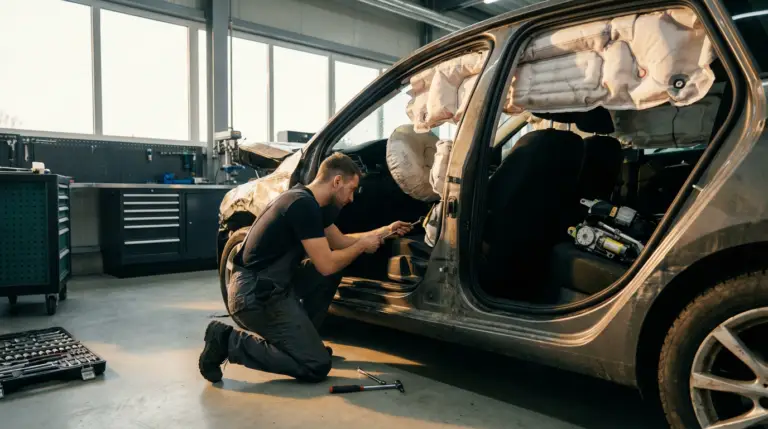
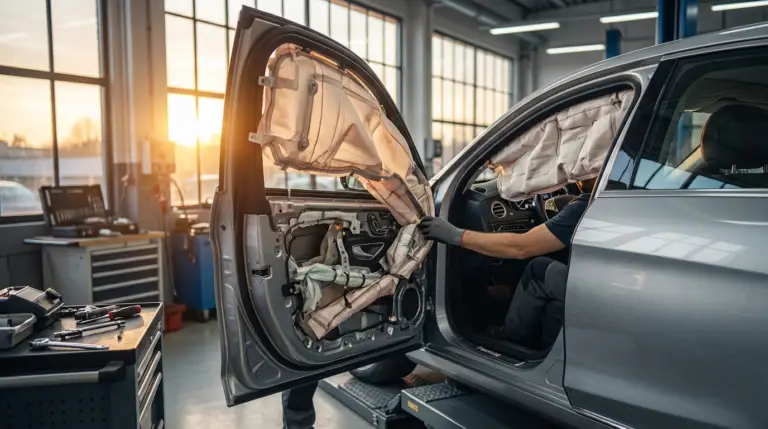
- Airbag Module Programming & Reset: If your Dodge has a salvage or rebuilt title, we reset or reprogram the SRS airbag module to OEM specs.
- Airbag Module Replacement: Damaged or faulty modules are replaced and reprogrammed to restore the vehicle’s safety system.
- Seat Belt Repair or Replacement: Post-collision seat belts may be locked or non-functional. We restore or replace belts to meet safety compliance.
- ADAS Calibration: Modern vehicles depend on accurate sensor input. We recalibrate ADAS sensors to ensure system function after repair.
- CarFax and AutoCheck Reports: Transparency is key. We help you document and report your safety-related repairs for customer trust and legal compliance.
Why Professional Help at DFW Safety Restore Is Essential
Misdiagnosing a P2066 code can result in wasted parts and unresolved problems—especially if the root cause is in the wiring harness, electronic modules, or communication errors. At DFW Safety Restore, we are experts in post-collision safety systems and specialize in vehicles with flood, salvaged, or rebuilt titles.
Whether you’re a workshop, dealer, or vehicle owner, our team in Hutchins, TX will ensure your Dodge is diagnosed correctly and repaired to OEM-level safety standards. We work with BHPH lots, body shops, and individuals across DFW to restore vehicles for safety and resale.
Don’t Let a Fault Code Keep You Off the Road This Winter
Cold weather makes electrical issues even more problematic. If your Dodge car or truck shows DTC P2066, schedule a diagnostic with us today. Our specialists will provide accurate assessments, certified repairs, and peace of mind.
Don’t let a small sensor issue snowball into a major safety concern. Book your service appointment now!
Use our free VIN Decoder to check your vehicle’s system specs and uncover any hidden history or module issues that may be affecting your vehicle.