
Understanding Chrysler DTC B1803: Why It Matters for Safety and Reliability
As temperatures drop this December in Texas, especially around Mansfield TX and the greater DFW area, vehicle systems are under increased thermal stress. If you’re a body shop, a used car dealer, or a salvage car owner who has run diagnostics on a Chrysler vehicle and found the B1803 trouble code, it’s essential to act quickly. This diagnostic trouble code (DTC) impacts vehicle functionality and, in some cases, safety—especially in vehicles with active safety systems like Electronic Stability Control (ESC).
What Does Chrysler Code B1803 Mean?
DTC B1803 in Chrysler vehicles refers to “Oil Temperature Left – Over Temperature.” This indicates that the thermal management system has detected excessive heat in a specific component, usually part of the drivetrain or transmission system. The warning is usually relayed through the TVM (Torque Vectoring Module) via the CAN bus, which communicates with other modules such as ABS, PCM, and BCM.
Common Causes of Code B1803
- Prolonged vehicle operation under high load or in hot conditions
- Faulty temperature sensor or wiring harness
- Software malfunction in the TVM or related modules
- Blocked or degraded transmission fluid
- Cooling system inefficiency or failure
In North Texas winters, it might seem odd to encounter an over-temperature code, but sudden drops in temperature followed by engine strain—common in holiday travel—can cause thermal system imbalances.
Symptoms You Might Notice
If your Chrysler is throwing the B1803 code, here are some signs you or your customers might experience:
- Warning lights on the dashboard (check engine or ESC indicator)
- Temporary deactivation of the stability control system (ESC/ASR)
- Sluggish acceleration or shifting behavior
- Vehicle entering a limited performance or “limp” mode
For salvage title and used vehicle owners, these symptoms can impact drivability and resale value—and may be flagged in a CarFax or AutoCheck report.
Recommended Solutions from DFW Safety Restore
At DFW Safety Restore in Mansfield TX, we offer a range of services that directly address the root causes or consequences of DTC B1803:
- Vehicle Diagnostic: Comprehensive diagnostics to confirm the issue and rule out false positives or related errors.
- SRS Airbag Module Reset or Replacement: If system overheating damages the airbag module or triggers SRS faults, we can reset or replace it.
- Airbag Module Programming: Proper programming to manufacturer specs after airbag module reset or replacement.
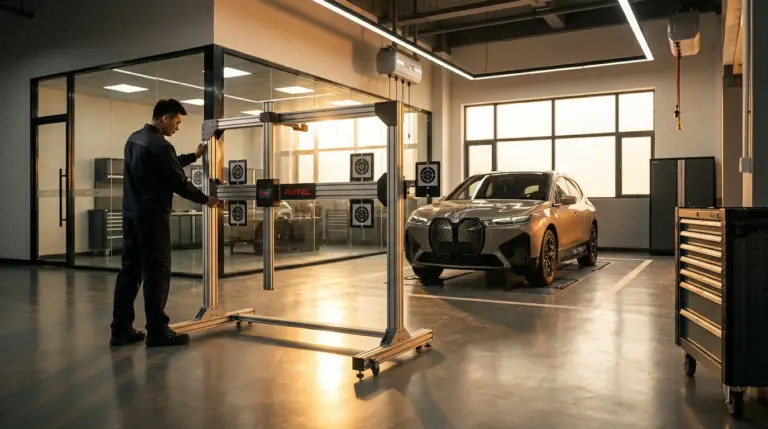
- ADAS Calibration: Camera and sensor recalibration for vehicles impacted by ESC or other stability system faults.
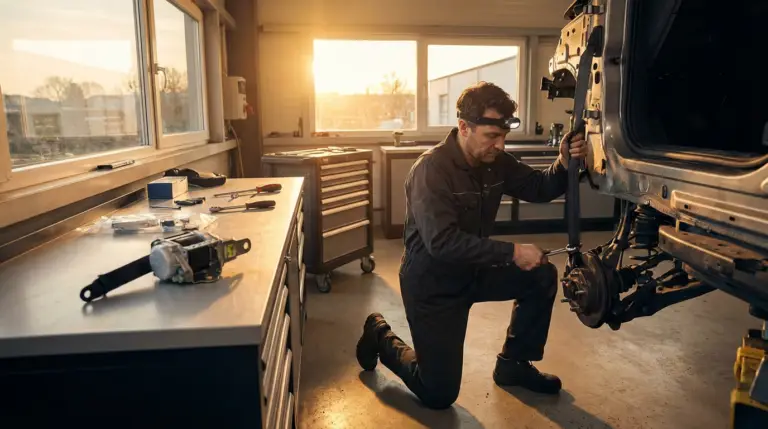
- Seat Belt Repair & Replacement: Inspection and restoration of seat belts possibly affected by thermal or voltage spikes.
- CarFax & AutoCheck Reports: Documentation of repairs and diagnostics to ensure clean vehicle history for resale purposes.
Why Professional Help Is Essential
DTC B1803 is not a minor glitch. Misdiagnosing it or ignoring it can lead to premature drivetrain wear, reduced fuel efficiency, or even safety system failure. Many modern Chrysler systems are interconnected. A fault in thermal management can cascade into errors in ABS, ESC, or even airbag systems.
Our expert technicians at DFW Safety Restore use OEM-level diagnostic tools and certified repair procedures tailored for salvage, rebuilt, and used vehicles. We work with local body shops, BHPH dealers, and collision centers to make sure every vehicle is not just roadworthy—but safe.
Don’t Let Winter Travel Be Risky—Act Now
Whether you’re prepping a used Chrysler for holiday resale or just had a customer bring in a vehicle with B1803, now is the time to act. Book your diagnostics or repair appointment today with DFW Safety Restore in Mansfield TX. We’ll help you restore safety, performance, and peace of mind before winter roads get even busier.
Decode & verify the vehicle’s history instantly using our free VIN Decoder.
Need assistance or have questions? Contact us today and experience automotive safety solutions trusted across North Texas and beyond.