
Side by Side VIN Lookup: Complete Guide to Title, Recall, and History Checks
A side by side VIN lookup is one of the most important steps before you buy, insure, or register a UTV or other off-road vehicle. It helps you confirm what the machine really is, check for safety recalls, and spot title, salvage, and lien problems that could cost you money or put you at risk.
This guide explains what a side by side VIN lookup is, how it differs from a generic VIN check, and exactly how to run all the supporting checks: recalls, title status, salvage, liens, plate checks, and vehicle history reports.
For basic VIN decoding on any vehicle, you can also use this VIN tool: VIN decoder.
What Is a Side by Side VIN Lookup?
A side by side VIN lookup is the process of using the Vehicle Identification Number (VIN) on a UTV or side-by-side to pull up information about the machine. This can include basic specs, recall status, and (for many units) title or registration history, depending on the state and data sources you use.
In about 40–60 words: A side by side VIN lookup uses the UTV’s unique 17-character VIN to decode its make, model, and year, and to search databases for open recalls, title brands (like salvage), prior total losses, and sometimes odometer and lien information. It is similar to a car VIN check but tailored to off-road vehicles and state-specific rules.
Side by Side vs. Regular Vehicle VINs
Most modern side-by-sides and UTVs from major brands (Polaris, Can-Am, Honda, Yamaha, etc.) use a 17-character VIN, similar to passenger cars and trucks. However, there are important differences:
- Usage: Side by sides are often off-road only, used on trails, farms, or private property.
- Titling & registration: Some states title and register side-by-sides like vehicles; others treat them more like equipment or OHVs, with separate databases.
- Data coverage: Not every UTV will show up in the same depth as a highway vehicle on commercial history reports.
- Brand tools: Many manufacturers have their own VIN lookup sites for recalls and product info.
A generic VIN check focuses on street-legal vehicles. A side by side VIN lookup adds the nuance of off-road titling rules, OHV registration, and manufacturer-specific recall information.
Where to Find the VIN on a Side by Side or UTV
The VIN location varies by brand and model, but common places include:
- Stamped on the frame near the front wheel (left or right side).
- On a frame rail under the driver’s seat or under the plastic body panels.
- Inside the left front wheel well, on a welded tab.
- On a manufacturer’s label or sticker on the frame or under the hood.
- Printed on the certificate of title, registration card, or insurance card.
Always match the physical VIN on the frame to the VIN on any plate, sticker, and paperwork. If they do not match, stop the deal and investigate.
What Information a VIN Can (and Cannot) Tell You
A VIN by itself is just an identifier. Once you run a side by side VIN lookup using trusted tools, it can reveal:
- Make, model, body style, engine type, and model year.
- Manufacturing plant and basic build information.
- Open safety recalls (through NHTSA and manufacturer sites).
- Title brands in many states (salvage, rebuilt, flood, junk, lemon, etc.).
- Some prior total-loss or damage events (from insurers or auctions).
- Odometer readings reported at certain events (title transfers, auctions, inspections).
- Possible theft records or impounds, depending on data sources.
What a VIN lookup usually cannot do on its own:
- Guarantee the vehicle has never been crashed or abused if the damage was never reported.
- Show all repairs, aftermarket modifications, or maintenance history.
- Report on parts swaps or frame-stamping fraud if the VIN has been altered.
- Tell you the current mechanical condition – that still requires an inspection.
Why a Side by Side VIN Lookup Matters Before You Buy
Running a VIN check before buying is about safety, legality, and money. Skipping it can leave you with an unsafe machine or a title you cannot transfer or register.
Safety Risks: Recalls, Airbag Systems, and Crash Damage
For side-by-sides and cars alike, a VIN lookup can uncover:
- Open safety recalls – for things like fuel leaks, fire risks, steering defects, or suspension failures.
- Prior crash history – especially when tied to salvage or rebuilt titles.
- Airbag and restraint issues – mainly for on-road vehicles and some street-legal side-by-sides.
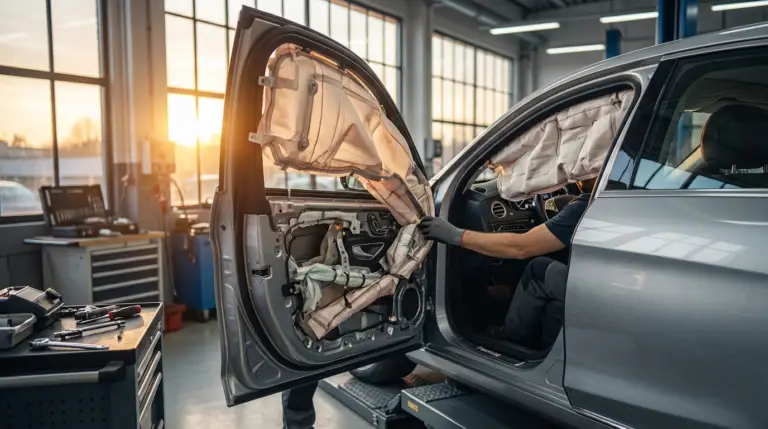
On passenger vehicles, recalls and history reports help you assess whether airbags and safety systems were deployed and repaired correctly. For more on how crash history and airbag deployment affects used vehicles, see Flower Mound used cars and airbag safety after crashes.
Legal Risks: Salvage, Branded Titles, and Hidden Liens
A side by side VIN lookup tied to title records can help you spot legal red flags:
- Salvage or rebuilt titles: Indicate the unit was declared a total loss by an insurer.
- Flood, junk, or non-repairable brands: Suggest severe or unrepairable damage.
- Liens: Show that a lender or other party still has a financial interest in the vehicle.
If you buy a side-by-side or car with an undisclosed salvage brand or open lien, you can:
- Struggle to get a clear title in your name.
- Have trouble registering or insuring it.
- Risk repossession by the lienholder if the seller didn’t pay off the loan.
Financial Risks: Overpaying for a Bad Vehicle or Title Problems
VIN, title, and history checks can prevent overpaying by showing:
- Prior total loss events that reduce value compared to a clean-title unit.
- Odometer rollbacks or inconsistent mileage.
- Repeated auctions or quick resales that suggest flipping after damage.
- Use in rental fleets or heavy commercial use, which accelerates wear.
Knowing this upfront lets you negotiate a fair price or walk away from a risky machine.
Step-by-Step: How to Run a Side by Side VIN Lookup
This step-by-step process works for side-by-sides, UTVs, and regular vehicles.
Step 1 – Confirm the VIN Is Legitimate and Matches the Frame/Plates
- Locate the VIN on the frame and on any stickers or plates.
- Compare it to the VIN on the title, registration, and bill of sale.
- Check for signs of tampering: ground-off rivets, mismatched fonts, uneven stamping, or plates that look replaced.
- Enter the VIN into a basic VIN decoder such as this VIN decoder to confirm make, model, and year match what the seller claims.
If anything looks altered or inconsistent, do not proceed until you verify with the DMV or local law enforcement.
Step 2 – Use a Free VIN Recall Check (Including Mazda Recall Check by VIN Example)
Next, run a free recall check on the VIN:
- Go to the NHTSA official site and use their VIN recall tool.
- Check the manufacturer’s website for side-by-sides (Polaris, Can-Am, etc.) or for cars.
For example, a Mazda recall check by VIN works like this:
- Find the 17-character VIN on the Mazda’s dash or driver’s door jamb.
- Enter it in Mazda’s official recall lookup or NHTSA’s recall tool.
- Review any open recalls, especially those involving airbags, fuel systems, brakes, or steering.
- Contact a Mazda dealer to schedule recall repairs, which are usually performed at no charge.
The same idea applies to side-by-sides. Use the manufacturer’s VIN lookup to see if your UTV has any outstanding safety campaigns.
Step 3 – Run a Vehicle History or KBB Vehicle History Report
After your free checks, consider a paid vehicle history report for deeper insight. One option is a KBB vehicle history report, which typically includes:
- Title history and brands (salvage, rebuilt, flood, etc.).
- Odometer readings and possible rollbacks.
- Reported accidents or total-loss events from insurance or auctions.
- Some service or inspection records if reported.
- Estimated market value based on condition and history.
KBB and similar services can be very useful for passenger vehicles and some side-by-sides that are titled and financed. For purely off-road units with limited titling, coverage may be thinner, but the report can still reveal title brands and past losses when they exist.
Step 4 – Check for Salvage or Branded Title
The next step is a focused salvage title check. You can do this by:
- Reviewing the title brand section of a vehicle history report.
- Using your state’s title verification service (many states have online tools).
- Contacting the DMV or motor vehicle department directly with the VIN.
A salvage title check shows whether the vehicle has been:
- Salvage: Declared a total loss; repairs may or may not have been done correctly.
- Rebuilt or reconstructed: Repaired after salvage and re-inspected.
- Flood, hail, or junk: Specific damage types or non-repairable status.
If a side-by-side or car shows salvage or junk status, assume it has had serious damage. Avoid it unless you fully understand the repairs and value impact.
Step 5 – Perform a Free Vehicle Lien Search (Where Possible)
A free vehicle lien search is crucial to make sure no lender still has a claim on the machine. Options vary by state:
- Some states offer free online lien checks by VIN or title number.
- Others require a small fee or a written request.
- For financed vehicles, you may see the lienholder listed on the title.
Steps to check for liens:
- Ask the seller for a copy or photo of the front and back of the title.
- Look for any lienholder names or stamps.
- Use the state’s online title/lien inquiry tool, if available, to confirm the status.
- If unsure, call the state DMV with the VIN and ask about recorded liens.
Never hand over full payment until you verify that any lien has been paid off and the lien release is recorded or available.
Step 6 – Use a Plate Check Free Tool When You Only Have the License Plate
If you only know the license plate number, many states and some third-party tools offer a plate check free option that returns the VIN or limited registration data.
Typical uses and limitations:
- You may see the VIN, vehicle description, and registration status.
- Owner name and address are often restricted for privacy.
- Not all states provide this to the public; some require law enforcement or dealer access.
Once you retrieve the VIN via a plate check, you can run the full side by side VIN lookup steps outlined above.
Using Recall Tools: From Side by Sides to Mazda Vehicles
Recall checks are a key part of VIN-based safety verification for both off-road machines and regular cars.
How VIN Recall Checks Work (NHTSA and Manufacturer Sites)
Most recall lookups work in a similar way:
- You enter the 17-character VIN into a recall search tool.
- The database checks for open safety recalls associated with that VIN.
- You see recall descriptions, affected components, and instructions for free repairs.
Sources to use:
- NHTSA VIN recall tool: Covers most passenger vehicles and some on-road motorcycles and equipment.
- UTV/side-by-side manufacturer websites: Many OEMs have their own recall or service campaign search by VIN.
- Dealer service departments: Can confirm open and completed recalls using the VIN.
Mazda Recall Check by VIN: What It Shows and When to Use It
A Mazda recall check by VIN is a good example of how brand recall tools work in general:
- You enter the VIN on Mazda’s official recall page or NHTSA’s site.
- You see any open recalls, including major issues like airbag inflators or fuel system problems.
- You can confirm whether each recall has been completed.
- You schedule free recall repairs at a Mazda dealer if needed.
Use this process for any brand – the steps are similar whether it’s a Mazda sedan or a side-by-side from another manufacturer.
Why Recalls Matter for Airbag and Safety System Integrity
Recalls directly affect safety-critical components:
- Airbags and seat belts: Defective airbags can fail to deploy or deploy explosively.
- Steering and suspension: Failures can cause sudden loss of control.
- Brakes and ABS: Increased stopping distance or brake failure.
- Fuel systems and electrical: Fire risks or stalling.
Any used vehicle – side by side or car – should have zero open safety recalls before you rely on it for family use or high-speed driving.
Title and Salvage Checks by State
Title and salvage rules vary by state, especially for off-road vehicles. Understanding those rules helps you interpret VIN lookup results correctly.
What Is a Salvage Title Check and What It Reveals
A salvage title check is a search of state title records (often via a history report or DMV portal) to see whether the vehicle’s title has any negative brands.
It can reveal:
- Salvage: Vehicle was a total loss; repairs must be disclosed.
- Rebuilt/reconstructed: Previously salvage, then repaired and inspected.
- Flood or water damage: Suggests high risk of corrosion, electrical issues, and mold.
- Hail damage, lemon, or buyback: Specialized brands depending on state law.
- Junk/non-repairable: Not intended to be titled for road use again.
For side-by-sides, salvage status can indicate severe frame or suspension damage, rollovers, or fire. Even if the machine looks clean, a branded title sharply reduces value and can indicate hidden structural issues.
Free Title Check Texas / Title Check Free Texas: What’s Actually Free
Many shoppers search for free title check Texas or title check free Texas. In Texas, completely free and fully detailed online title checks are limited, but you do have options:
- The Texas Department of Motor Vehicles (TxDMV) offers online tools to verify basic title and registration data by VIN or plate in some cases.
- More detailed title histories usually require a small fee and a formal request.
- Some information may be restricted to the current owner, law enforcement, or dealers because of privacy laws.
Practical steps for Texas buyers:
- Get the VIN and a clear photo of the title from the seller.
- Use TxDMV’s online resources to confirm the title’s status, brands, and county of issuance where available.
- If you need deeper history, request a title history record from TxDMV; expect a modest fee.
- Cross-check this with your paid vehicle history report to make sure the brands match.
While it may not be 100% free, these low-cost checks are far cheaper than buying a problem vehicle.
California Vehicle Title Search: How It Differs from Texas
A California vehicle title search follows similar principles but with some differences:
- The California DMV manages title and registration records, including for many off-highway vehicles (OHVs).
- California has specific processes for OHV registration and may require green or red stickers depending on emissions and model year.
- Some online inquiry tools offer limited information; more detailed title history usually requires a request and fee.
When to use a California vehicle title search:
- When buying a UTV or car that is currently titled or registered in California.
- When a vehicle has a California title but is being sold in another state.
- When you suspect the vehicle used to be in California and may carry special brands (for example, lemon-law buyback).
When to Pay for a Full Title and History Report
Paid reports are usually worth it when:
- You are spending a significant amount of money on a side-by-side or car.
- The vehicle has changed states, owners, or plates multiple times.
- There are any gaps in the paper trail or stories that do not add up.
- You want a quick way to cross-check title brands, salvage events, and odometer readings across multiple states.
Combining a paid history report with state DMV title verification is the most reliable way to see the full picture.
Free vs Paid VIN and Title Resources
Both free and paid tools have a place in a thorough side by side VIN lookup process.
Truly Free Tools: NHTSA, State Portals, Plate Lookups
Common free resources include:
- NHTSA VIN recall lookup: Free, official U.S. government recall database.
- Manufacturer VIN tools: Many side-by-side and car makers offer free recall and product-info lookups.
- State DMV/TxDMV/California DMV portals: Some offer free or low-cost checks for title status and basic vehicle data.
- Plate check free tools: Limited information by license plate in states that allow public access.
- Basic VIN decoding tools: Such as the VIN decoder, which help confirm the VIN structure and basic specs.
Paid Reports: KBB Vehicle History Report and Alternatives
Paid reports like a KBB vehicle history report and other commercial services generally provide:
- Multi-state title brand checks.
- Recorded salvage, junk, and total-loss events.
- Odometer readings and rollback warnings.
- Some auction and sales history.
- Estimated value, sometimes adjusted for history and condition.
These reports are usually not free, but the cost is low compared with the risk of buying a damaged or fraudulently titled vehicle.
Which Combination of Checks Most Buyers Should Use
For most buyers (side-by-sides and cars), a solid workflow is:
- Use a VIN decoder to confirm the VIN and specs.
- Run NHTSA and manufacturer recall checks.
- Order a paid vehicle history report (such as a KBB vehicle history report or similar).
- Verify the title and lien status through the state DMV (TxDMV, California DMV, etc.).
- If only a plate is known, run a plate check free where allowed to retrieve the VIN.
Red Flags to Watch for in Your VIN Lookup Results
VIN, title, and history reports give you clues. Use them to spot deal-breaking issues early.
Multiple Total Loss or Salvage Records
Red flags include:
- More than one total loss or salvage event on the record.
- Salvage in one state, followed by a supposedly “clean” title in another (possible title washing).
- Frequent auction sales with short gaps in between.
These signs suggest severe or repeated damage. Most buyers are better off walking away.
Title Jumping, Odometer Rollbacks, and Open Liens
Watch for:
- Title jumping: The name on the title does not match the seller, and multiple open reassignment lines remain.
- Odometer inconsistencies: Mileage going down between events, or marked as “not actual.”
- Open liens: Lienholder listed on the title or in state records with no evidence of release.
These are serious ownership and fraud warnings.
Airbag Deployment, Frame Damage, and Severe Flood Events
Heavy damage markers include:
- Accident reports mentioning airbag deployment.
- Insurance total loss notes for frame or structural damage.
- Title brands like flood, water damage, or saltwater.
When vehicle history or inspection reports mention structural damage or major suspension work, a professional inspection should include checking ADAS calibration and suspension geometry. For more background on this, see suspension repairs and ADAS sensor alignment in Flower Mound TX.
Electrical damage from flood vehicles can also contribute to diagnostic issues and fault codes. Related reading: why Pontiac DTC P2135 affects safety and performance.
Texas Buyers: Extra Steps for Safer Used Vehicles
Texas buyers, especially those dealing with off-road and mixed-use vehicles, should pay close attention to how the state treats titles and branding.
How Texas Title Branding Works for Off-Road and Street-Legal Vehicles
In Texas:
- Most on-road vehicles must be titled and registered through TxDMV.
- Some off-road vehicles, including certain side-by-sides, may not need a traditional title depending on use and configuration.
- When a side-by-side is converted for limited on-road use (where allowed), title branding and inspection requirements can change.
- Texas applies brands such as salvage, rebuilt, flood, non-repairable on its titles, similar to many states.
Always check whether the specific machine is supposed to have a title in Texas. A missing required title is a red flag.
Free Title Check Options for Texas Shoppers
As noted earlier, a completely title check free Texas option with full history is uncommon, but you can:
- Use TxDMV’s public information tools to confirm basic title and registration status for some vehicles.
- Request an official title history for a modest fee.
- Compare the TxDMV results with your vehicle history report.
Remember to also run recall and VIN decoding checks as part of the workflow.
How VIN and Title Findings Connect to Safety Repairs in Flower Mound TX
If your VIN and history checks reveal:
- Prior crashes with airbag deployment, or
- Frame, suspension, or structural repairs, or
- A past salvage or rebuilt title,
you should plan a thorough physical inspection, including airbag systems, seat belts, frame alignment, and ADAS/sensor calibration. If you are near Flower Mound TX, you can start by reviewing local services here: Flower Mound TX automotive safety services.
How VIN and History Checks Tie Into Real-World Safety Inspections
VIN and title checks tell you where to look. A physical inspection confirms whether the vehicle is safe to use.
From VIN Report to Physical Inspection Checklist
Use your report findings to create an inspection plan:
- If history shows front-end damage: Inspect steering, suspension, frame rails, and front safety systems.
- If there is a rollover history on a side-by-side: Inspect roll cage, seat mounts, seat belts/harnesses, and roof mounts.
- If the title shows flood or water damage: Check connectors, wiring, ECU modules, bearings, and rust in hidden areas.
- If there was airbag deployment (for on-road vehicles): Confirm that the airbag system is fully replaced and free of warning lights.
For side-by-sides specifically, also inspect:
- Suspension arms, shocks, and mounting points for bending or cracking.
- Steering rack and tie rods for play.
- Frame welds near known impact or rollover points.
- Brake lines and hoses for chafing or leaks.
When to Involve a Local Safety or Collision Specialist
Bring in a professional if:
- The vehicle has any salvage, rebuilt, or flood history.
- Previous repairs involved frame straightening, airbag replacement, or ADAS calibration.
- You see signs of poor-quality welding, mismatched paint, or panel gaps.
- You are not comfortable evaluating suspension and structural integrity on your own.
A few hundred dollars for a pre-purchase inspection is minor compared to the risk of buying a structurally compromised or unsafe machine.
Frequently Asked Questions About Side by Side VIN Lookup
What is a side by side VIN lookup and how is it different from a regular VIN check?
A side by side VIN lookup uses the UTV’s VIN to decode specs and search for recalls, title brands, and history, just like a car VIN check. The difference is that off-road vehicles may follow different titling and registration rules, and some data sources focus specifically on OHVs and manufacturer records.
Where can I find the VIN on my side by side or UTV?
Common VIN locations include the frame near the front wheel, under the driver’s seat, on a frame rail under body panels, inside a front wheel well on a welded tab, and on the manufacturer’s label. You will also find the VIN on the title, registration, or insurance card.
Can I do a side by side VIN lookup for free?
Yes, partially. You can use free tools such as NHTSA’s recall lookup, manufacturer VIN tools, some state DMV portals, and basic VIN decoders. For full title history, salvage information, and detailed events, you typically need a paid vehicle history report and, in some cases, a paid title history from the state.
What does a salvage title check show about a vehicle?
A salvage title check shows whether the vehicle has been branded as salvage, rebuilt, flood, junk, or similar. It tells you that the vehicle was considered a total loss or severely damaged at some point, which affects safety, insurability, and resale value.
How do I use a Mazda recall check by VIN to see if my car has open recalls?
Locate your Mazda’s 17-character VIN, then enter it on Mazda’s official recall lookup page or the NHTSA VIN recall tool. The site will list any open safety recalls and whether repairs have been completed. Schedule free recall repairs with a Mazda dealer if any are outstanding.
Is a KBB vehicle history report enough before buying a used side by side or car?
A KBB vehicle history report (or similar) is a strong start, but it should not be your only step. Combine it with free recall checks, state DMV title/lien verification, physical inspection, and for side-by-sides, a close look at frame and suspension to get a complete picture.
How can I run a free title check in Texas?
For a free title check Texas option, start with TxDMV’s public online tools to confirm basic title and registration details where available. For full title history, you typically must request records from TxDMV and pay a small fee. Use this alongside a commercial vehicle history report for best results.
What is a California vehicle title search and when should I use it?
A California vehicle title search is a request or online inquiry through the California DMV to confirm a vehicle’s title status, brands, and sometimes limited history. Use it when buying a vehicle with a California title, when the seller says it was previously registered there, or when you suspect California-specific brands like lemon-law buybacks.
How do I check for liens with a free vehicle lien search?
Start by examining the title for any listed lienholders. Then, use your state’s public lien or title inquiry tool, if available, for a free vehicle lien search. In some states, you may need to pay a small fee or submit a written request. Always confirm that all liens are released before you pay in full.
Can I run a plate check free if I only have the license plate and not the VIN?
In some states, yes. Public “plate check free” tools or state DMV portals can return limited information, including the VIN and vehicle description. Personal owner details are usually restricted. Once you obtain the VIN, you can run a full side by side VIN lookup with recall, title, and history checks.
Key Takeaways Before You Buy a Side by Side or Used Vehicle
- Always run a side by side VIN lookup (or car VIN check) before buying.
- Use a combination of free tools (NHTSA, manufacturer sites, DMV portals, VIN decoder) and paid history reports (such as a KBB vehicle history report).
- Verify title brands, salvage status, and liens through your state DMV (TxDMV, California DMV, etc.).
- Watch for red flags: salvage or junk brands, odometer rollbacks, title jumping, open liens, flood damage, or repeated total-loss events.
- Use VIN and title findings to guide a thorough physical inspection, especially of frame, suspension, airbags, and ADAS systems.
- When in doubt, walk away or involve a trusted safety or collision specialist before committing.
Following these steps will greatly reduce the chances of buying an unsafe or bad-title side-by-side or used car.