
How to Replace a Seat Belt Safely in DFW – Buyer’s Guide to Cost, Options, and Safety
If you are trying to figure out when to replace a seat belt, you are likely dealing with a frayed belt, a stuck retractor, or a buckle that will not latch. You might also be looking at a vehicle that has been in an accident and wondering what absolutely must be replaced to stay safe and pass inspection in Texas. As a local safety technician serving Melissa TX and the greater Dallas–Fort Worth area, I deal with these questions every day and see the consequences when seat belts are ignored or repaired incorrectly.
This guide is written to give you clear, real-world guidance on seat belt replacement, cost ranges, and when repair is not enough. I will walk you through how we look at belts, retractors, buckles, pretensioners, and SRS modules so you can make a confident, safety-first decision. Throughout, I will show you where LockNCal fits in as your local, certified resource for restoring the safety systems in American and Japanese vehicles.
Key Takeaways
- If seat belt webbing is cut, badly frayed, melted, or a pretensioner has fired in a crash, full Seat Belt Replacement and/or Pre-Tensioner Replacement is the only safe choice – repair is not appropriate for real damage.
- Expect replacement seat belt buckle parts to run roughly $75–$200+ for parts, and seat belt retractor replacement or full assemblies to range from about $200–$500+ per seating position, with complete OEM new seat belts often in the $300–$800+ range at dealerships.
- Properly installed belts must work with your vehicle’s SRS/airbag system and meet federal FMVSS expectations; damaged or non-functional belts can cause Texas safety inspection failures and significantly reduce crash protection.
In This Guide:
💡 When You Should Replace a Seat Belt – Common failures and red flags
💰 Costs, Parts, and OEM vs Aftermarket Options – Realistic price ranges before you decide
⚠️ Safety, Legal, and Texas Inspection Rules – Why bad seat belts can fail inspections
🛠️ Repair vs Replacement: Buyer’s Guide – Decide what’s right for your vehicle
📍 Seat Belt Replacement Service in Melissa TX & DFW – How LockNCal can help today
❓ FAQs About Replacing a Seat Belt – Straight answers from a safety technician
When You Should Replace a Seat Belt
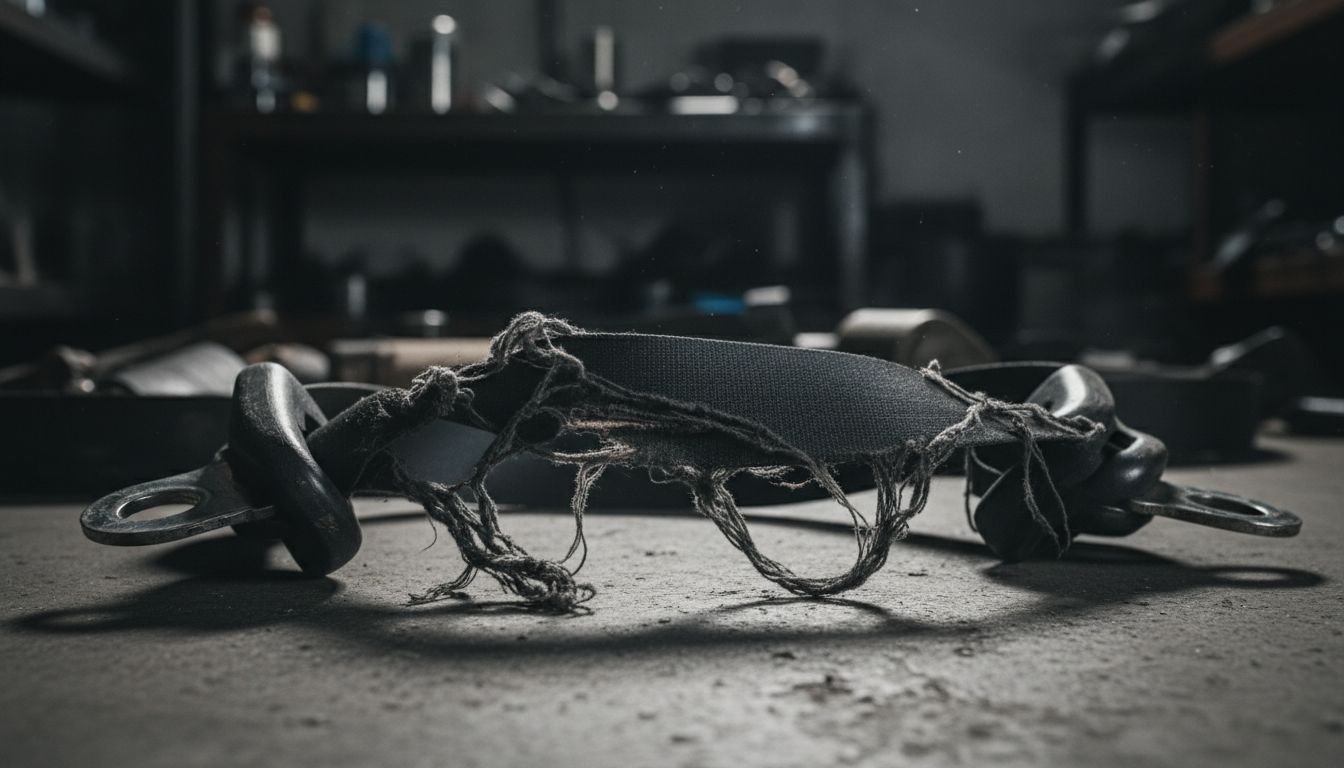
Most people start searching how to replace a seat belt or for car seatbelt replacement after they notice something obviously wrong. That might be webbing that is shredded or chewed, a belt that will not retract, or a buckle that suddenly stops clicking. None of these are cosmetic issues; they each directly affect how the restraint will perform in a sudden stop or crash.
Modern belts are engineered as part of the vehicle’s overall safety system, along with airbags and the SRS module. When one part is damaged or not working, the entire system is compromised. That is why we evaluate not just the visible belt, but also the retractor, pretensioner, and wiring when we inspect a vehicle at LockNCal.
Signs Your Seat Belt Is No Longer Safe
You should plan on Seat Belt Replacement when you see any of the following warning signs. First, if the webbing is torn, badly frayed, fuzzy, melted, or stiff, it has likely lost strength and will not perform correctly in a crash. Dog-chewed belts fall squarely into this category and should be treated as unsafe.
Second, if the belt is a seat belt not retracting situation or retracts very slowly, that points to problems in the retractor or pretensioner. This is where seat belt retractor replacement or a complete assembly swap is often the right fix.
Third, if the seat belt buckle not clickingreplacement seat belt buckle as part of a broader car seatbelt replacement plan. Finally, if an SRS/airbag warning light came on after an impact, there may be internal damage or fired pretensioners even if the belt looks normal.
After a Crash or Airbag Deployment
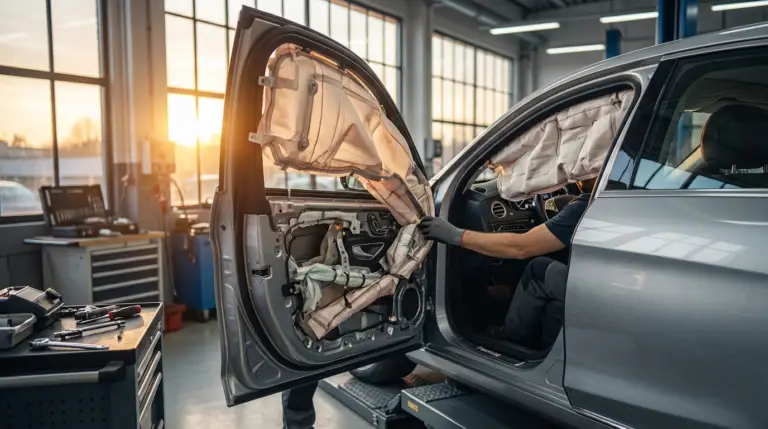
Any time you replace seat belt after accident, you need to think beyond just the visible components. In many late-model American and Japanese vehicles, the seat belts include pyrotechnic pretensioners that fire a small explosive charge to tighten the belt the moment a crash is detected.
Once a pretensioner has fired, it is no longer reusable. In these cases, we typically recommend a combination of Seat Belt Replacement and Pre-Tensioner Replacement to restore full function.
The crash event is also stored in the SRS Airbag Module, which can keep the airbag light on and may disable parts of the system. At LockNCal we often pair belt work with SRS Airbag Module Reset and, when needed, Vehicle Diagnostic so that the module recognizes the new components and the system is back to a safe baseline. For a deeper look at how different safety systems talk to each other after a collision, see our article on post-collision safety system checks.
Costs, Parts, and OEM vs Aftermarket Options
Before you commit to any DFW seat belt replacement, it helps to understand realistic cost ranges and what is actually being replaced. A “seat belt” can mean only the buckle, only the retractor, or an entire assembly with pretensioner, webbing, and hardware. Cost depends greatly on your vehicle’s make, model, year, and whether we are dealing with basic belts or integrated SRS components.
Below are the typical cost ranges I see day-to-day on American and Japanese vehicles in the Melissa TX and Dallas–Fort Worth area. These are estimates, not quotes, but they will give you a solid starting point for budgeting.
Typical Cost Ranges for Seat Belt Components
For a replacement seat belt buckle, you can generally expect about $75–$200+ for parts, depending on whether the buckle is stand-alone or tied into sensors. Labor is added on top of that, and some vehicles require interior trim removal that adds time.
For seat belt retractor replacement or a full assembly that includes the retractor and webbing, most American and Japanese vehicles fall in the $200–$500+ per seating position range for parts. When pretensioners or integrated sensors are involved, the parts cost is typically on the higher side of that range.
If you go through a dealership for complete OEM new seat belts with pretensioners and sensors, it is common to see parts pricing in the $300–$800+ per position range. This is one reason many owners and shops look to a local specialist like us for more balanced, safety-first solutions.
OEM vs Aftermarket Seat Belt Options
OEM seat belts are assemblies built by or for your vehicle’s manufacturer to match the original design. They typically offer the best fit, finish, and integration with the SRS system, but they also come at a higher price point.
Aftermarket or universal new seat belts can sometimes be used in simpler applications, and they may reduce upfront cost. However, they can present fitment challenges and may not integrate as cleanly with pretensioners, seat sensors, or SRS wiring in many modern vehicles.
At LockNCal, our priority is keeping your SRS system functioning correctly and aligned with FMVSS-level safety expectations. That typically means favoring OEM or high-quality, vehicle-specific solutions for American and Japanese vehicles, especially when pretensioners and SRS integration are involved.
Dealer vs Local Specialist vs Online Parts
Dealership car seatbelt replacement usually involves ordering and installing full OEM assemblies. The advantage is straightforward fit and factory parts, but the tradeoff is typically the highest parts and labor cost.
Online-only parts can appear cheaper, but you shoulder the risk on compatibility, missing components, and lack of local support if the belt triggers SRS faults. If the belt you ordered does not talk correctly to the module, you may still end up at a shop for diagnostics and a second round of labor.
As a local specialist serving Melissa TX and DFW, LockNCal can help you choose the right mix of Seat Belt Replacement, Pre-Tensioner Replacement, SRS Airbag Module Reset, and Vehicle Diagnostic to restore safety without guesswork. For buyers evaluating collision repairs or storm-related damage, our guide on storm-season safety for Melissa TX drivers is a helpful companion read.
Safety, Legal, and Texas Inspection Rules
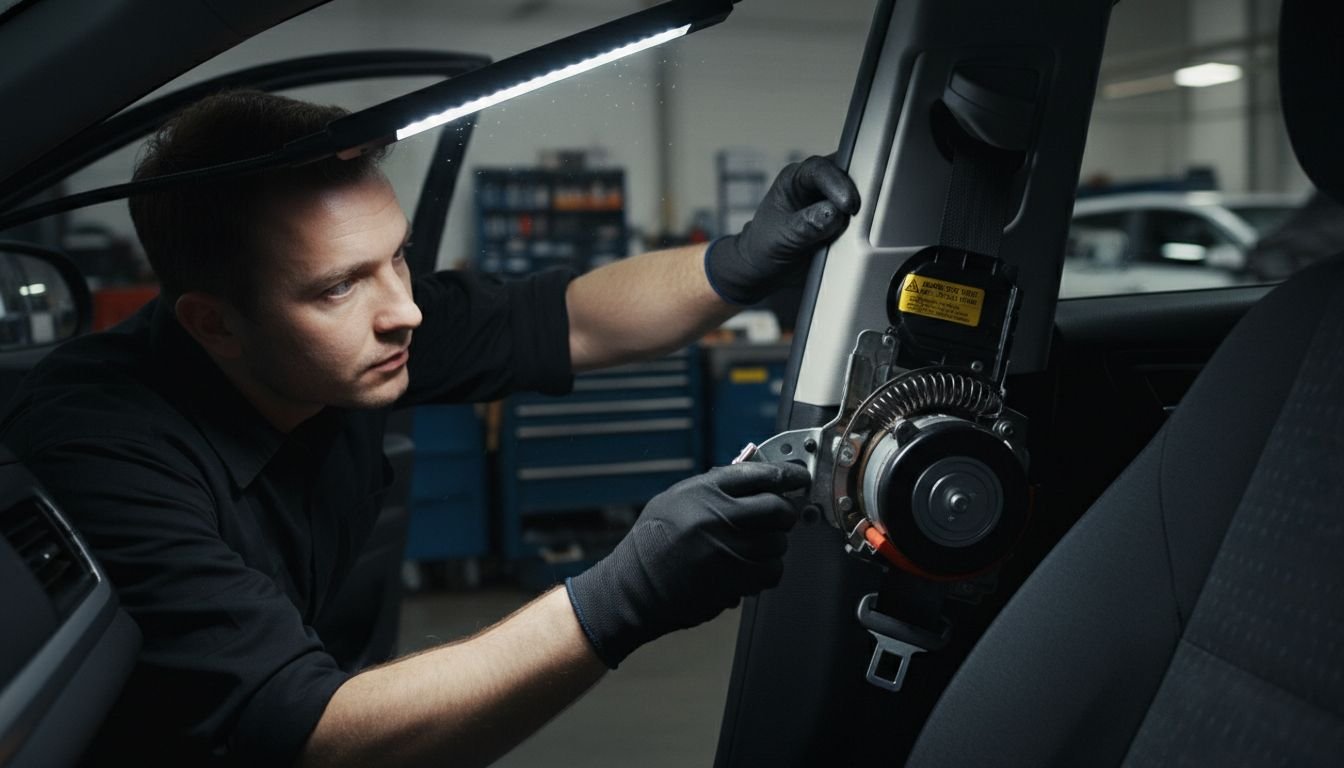
From a safety technician’s perspective, damaged or non-functional seat belts are one of the most serious problems I see on vehicles in our shop. A belt’s job is to manage crash forces and keep you positioned correctly so airbags and other systems can do their work. When the belt is compromised, your risk of severe injury rises dramatically.
It is not just about the webbing either. If the retractor, buckle, or pretensioner does not function correctly, the belt may not lock, may not stay latched, or may not pre-tighten at the right moment. All of these scenarios mean the restraint system is no longer doing what the engineers designed it to do.
Why Driving With a Damaged Seat Belt Is Dangerous
A belt with torn or melted webbing may tear under load instead of holding you in place during a crash. Even if it looks “good enough,” internal fibers could be weakened beyond what the eye can see.
A failing retractor or buckle can leave you effectively unrestrained, especially in a side impact or rollover where forces act in more than one direction. I have seen vehicles where occupants thought they were belted, but a weak buckle or worn latch plate did not actually hold under stress.
When pretensioners or related SRS components are damaged or missing, airbag timing and coordination can be off. That can reduce the effectiveness of both the belt and the airbags, which is the opposite of what you want in a serious collision.
Texas Safety Inspection and Legal Considerations
In Texas, you are required to have functional, intact seat belts at required seating positions for your vehicle to pass the state safety inspection. Inspectors are trained to look for belts that will not latch, do not retract, or are obviously frayed or cut.
If your belt is badly worn, non-functional, or missing, you risk a failed inspection and will need to address the issue before you can get a valid sticker. From a technician’s standpoint, that is appropriate because a vehicle without properly working belts is not fit for the road.
Tampering with SRS components or pretensioners without proper knowledge can also leave the system in a faulted state. Even if the belt appears to work mechanically, the SRS module may detect a problem and keep the airbag light on, which is another red flag during inspection and a sign that protection may be compromised.
Safety Warning About DIY Work on SRS and Pretensioners
Many modern belts include pyrotechnic pre-tensioners that contain small explosive charges. These devices are designed to fire in milliseconds during a crash to tighten the belt before your body moves.
DIY work around pretensioners and airbag wiring is not like changing a light bulb. Mishandling these components can lead to accidental deployment, serious injury, or a disabled SRS system that does nothing when you actually need it.
For any work involving pretensioners, airbag circuits, or the SRS Airbag Module, I strongly recommend using trained professionals. At LockNCal, we handle Pre-Tensioner Replacement, SRS Airbag Module Reset, Airbag Module Replacement, Airbag Replacement, Clock Spring Replacement, and Vehicle Diagnostic with the right equipment and procedures so you are not taking unnecessary risks.
Repair vs Replacement: Buyer’s Guide
One of the biggest sources of confusion I see is the difference between “repair” and “replacement” when it comes to belts. Many people search for “seat belt repair” hoping for a cheaper fix, and some online sources add to that confusion by downplaying the risks.
From a safety standpoint, once a belt or its critical components have real damage, we move firmly into replacement territory. That is how we protect you, your passengers, and your liability as an owner, body shop, or dealer.
When Repair Might Be Discussed – and Its Limits
There are limited cases where owners ask whether a belt can simply be “cleaned up” or adjusted, especially when the issue seems purely cosmetic. For example, very light surface wear that does not affect structure might not require immediate replacement, but it should still be monitored.
However, once you see structural webbing damage like fraying, cuts, melting, or dog-chewing, or you are dealing with a retractor, buckle, or pretensioner that has been compromised, we draw a hard line. At that point, Seat Belt Replacement and, when applicable, Pre-Tensioner Replacement are the responsible options.
On crash-related jobs, we often pair these replacements with an SRS Airbag Module Reset so the system properly recognizes the restored components. This is also where proper Vehicle Diagnostic comes in, particularly when we are diagnosing airbag and impact sensor trouble codes on vehicles with stored crash data.
Clear Scenarios – Repair vs Full Replacement
Here is the straightforward decision framework I use with customers in Melissa TX and across DFW. First, if the webbing is frayed, cut, melted, or dog-chewed, we treat it as unsafe and recommend Seat Belt Replacement; we do not offer webbing-only patch repairs for safety-critical belts.
Second, if the belt is locked or non-retracting after a crash, we assume the pretensioner may have fired or the retractor has internal damage. In those cases, we recommend a combination of Seat Belt Replacement and, if needed, Pre-Tensioner Replacement.
Third, if the buckle does not latch or hold, we recommend a replacement seat belt buckle as part of a properly engineered assembly, not a temporary fix. Finally, if your SRS/airbag light is on after a collision, we recommend a Vehicle Diagnostic and likely SRS Airbag Module Reset alongside whatever Seat Belt Replacement is needed to clear crash-related faults safely.
Cost Comparison in Plain Language
Ignoring a damaged belt has no immediate cost, but you are accepting a major risk to everyone in the vehicle and exposing yourself to liability and inspection issues. In a serious crash, that decision can be the difference between a survivable injury and something much worse.
Trying a DIY fix with random parts from online sources can look cheaper upfront, but it brings high risk of installing the wrong part, leaving SRS faults uncleared, or mis-routing wiring in a way that disables safety systems. I frequently see vehicles that come in after a failed DIY attempt, where we then have to undo work and start over.
By contrast, professional replacement with integrated diagnostics costs more than basic parts alone, but it buys you correct components, proper installation, and the right SRS resets and checks. For most drivers, families, body shops, and used-car dealers in the Dallas–Fort Worth area, that is the smarter and legally safer path.
Seat Belt Replacement Service in Melissa TX & DFW
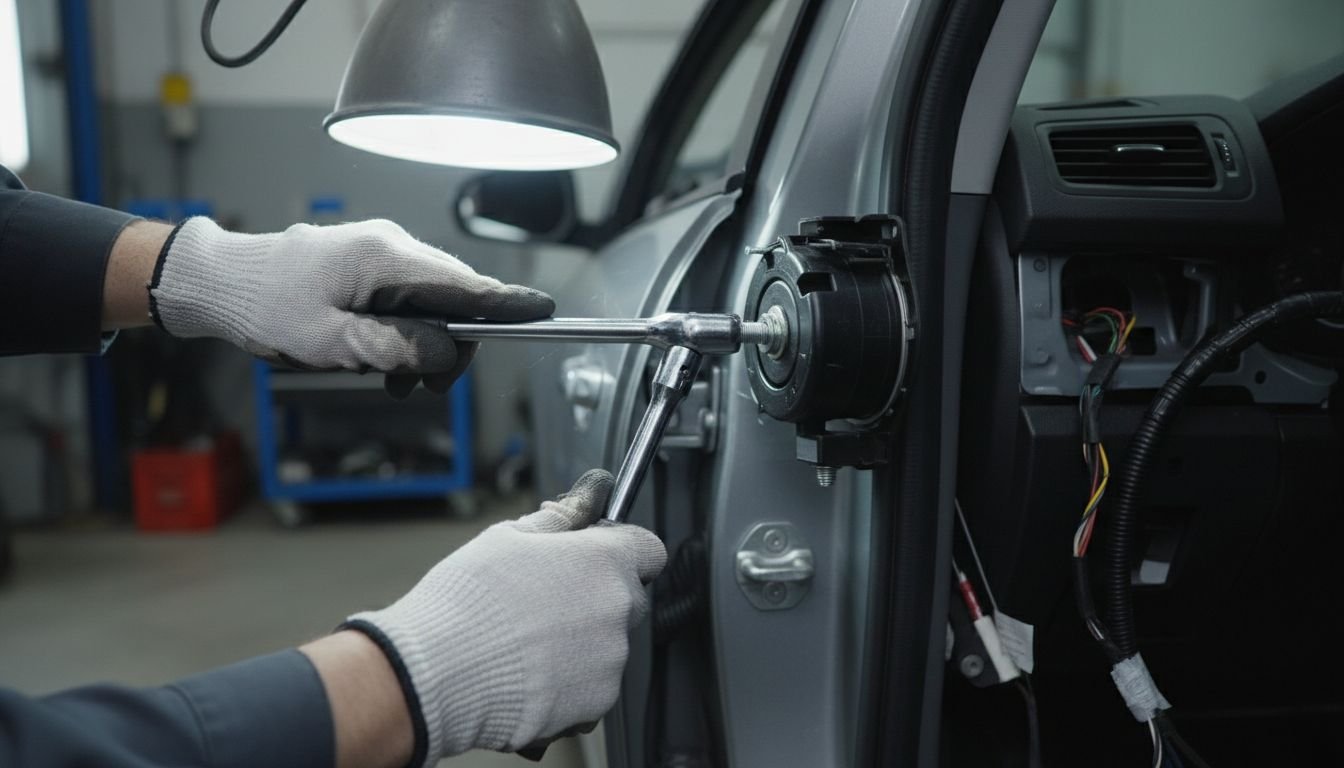
LockNCal provides Seat Belt Replacement and related safety system services for drivers throughout Melissa TX and the greater Dallas–Fort Worth region. That includes areas such as Plano, McKinney, Frisco, Allen, Denton, Dallas, Fort Worth, Arlington, Carrollton, Irving, Garland, Mesquite, Rockwall, and many other nearby cities and counties.
We primarily service American and Japanese vehicles, including common brands like Ford, Chevrolet, GMC, Toyota, Honda, Nissan, and similar models. Whether you are an individual owner, a family with a daily driver, a body shop, or a used-car dealer, our focus is the same: restore your safety systems correctly and transparently.
If you want a quick overview of our Melissa TX offerings, you can visit our local service page here: LockNCal – Melissa TX Service.
Who We Serve in Melissa TX and the DFW Area
We work every day with individual drivers and families who want their vehicles safe and ready to pass Texas inspection. Many of them come to us after noticing a belt that will not retract, a buckle that stopped latching, or an airbag light that came on after a fender-bender.
We also support body shops and used-car dealers who need a reliable local partner for safety system work on American and Japanese vehicles. If you are reconditioning vehicles in places like Collin County, Denton County, Dallas County, Tarrant County, or Rockwall County, we are set up to help.
Whether your vehicle has minor belt issues or you are rebuilding a collision-damaged car, our role is to ensure belts, pretensioners, airbags, and modules are working together the way they should.
How Our Seat Belt Replacement Process Works
Our process is designed to be thorough but efficient, with same-day availability for many jobs depending on scheduling and parts. Here is what you can expect when you contact us for Melissa TX seat belt service or help anywhere in DFW.
- Initial call or online request – You tell us what you are experiencing (stuck belt, buckle problem, accident history, airbag light, etc.) and share your VIN. For quick VIN lookup, you can also use our FREE VIN Decoder.
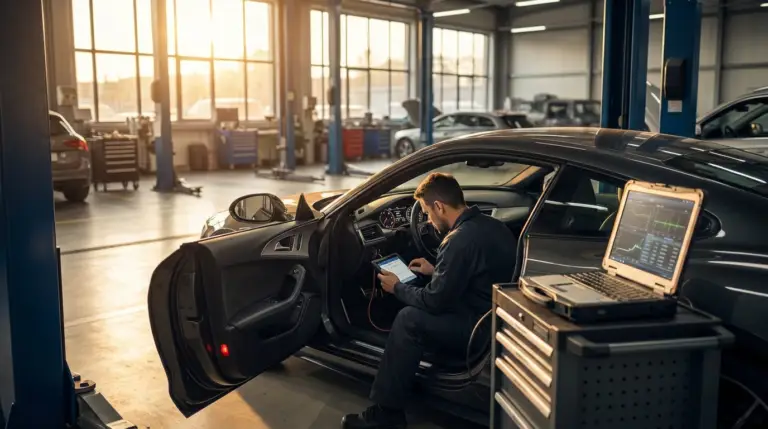
- Vehicle Diagnostic (if needed) – If your airbag/SRS light is on or there is a known crash history, we perform proper diagnostics to see what the SRS module is reporting.
- Inspection of belts, buckles, and pretensioners – We physically inspect the webbing, retractor function, buckles, and pretensioners to determine whether Seat Belt Replacement and/or Pre-Tensioner Replacement is needed.
- Parts sourcing and replacement – We obtain the correct, high-quality components (OEM or appropriate equivalent based on the case and your preferences) and install them using proper procedures.
- SRS system checks – We perform SRS Airbag Module Reset or Airbag Module Replacement when required and re-check for codes to ensure the system recognizes all components.
- Final safety check – Before your vehicle leaves, we confirm belt retraction, locking behavior, buckle operation, and the status of the SRS light so you can drive away with confidence.
Why LockNCal vs Dealer or DIY
Choosing LockNCal means working with a local team that focuses on safety-first work, not just selling parts. We understand how belts, pretensioners, airbags, and modules interact in real collisions on DFW roads.
Unlike a parts-only seller, we can diagnose, replace, and reset the systems so you are not left guessing about warning lights or hidden faults. Our experience includes crash-damaged safety systems where the right combination of Seat Belt Replacement, Pre-Tensioner Replacement, Airbag Replacement, Clock Spring Replacement, ADAS Calibration (where applicable), and SRS Airbag Module Reset is critical.
If you are ready to restore your belts properly, call today to schedule your Seat Belt Replacement in Melissa TX or anywhere across Dallas–Fort Worth. If you have just been through an accident, ask specifically about Pre-Tensioner Replacement and SRS Airbag Module Reset so we can address everything the right way the first time.
FAQs About Replacing a Seat Belt
Below are straightforward answers to the questions we hear most from drivers, shops, and dealers in the DFW area about how to replace a seat belt safely.
1. Is it safe to replace a seat belt myself at home?
Some older or very simple belt setups can be removed and reinstalled by experienced DIYers using hand tools. However, most modern belts are tied into pretensioners and SRS wiring, which introduces real risk if you do not have proper training and equipment.
There is a genuine possibility of accidental deployment of a pretensioner or airbag, and an equally serious risk of leaving the SRS system in a faulted state that offers little or no protection in a crash. For those reasons, I strongly recommend professional service, especially when pretensioners or airbag circuits are involved.
If you decide to attempt any work yourself, disconnecting the battery and following manufacturer procedures is critical, but the safest path is to let a qualified shop like LockNCal handle components with explosives or SRS integration.
2. How much does it usually cost to replace a seat belt in DFW?
Most customers in the Dallas–Fort Worth area spend anywhere from a couple hundred dollars for a simpler seating position up to several hundred dollars per position when pretensioners and SRS work are involved. For example, a basic replacement seat belt buckle might fall toward the lower end of that range, while a full seat belt retractor replacement with pretensioner sits higher.
The final cost depends on your vehicle’s make, model, year, which belt is involved, and whether services like SRS Airbag Module Reset or Vehicle Diagnostic are required. Because of these variables, we recommend calling with your VIN and situation for a personalized estimate.
You can also use our FREE VIN Decoder ahead of time to gather your vehicle details, which helps us quickly narrow down the right parts and pricing.
3. Do I need to replace seat belts after an accident if they still look okay?
Yes, a post-accident inspection is always necessary, even if the belts look fine on the surface. In many cases, pretensioners can fire or internal components can be damaged without obvious visible changes to the webbing.
The SRS module may also store crash data and flag the belts as deployed or faulted. In those scenarios, we often recommend Seat Belt Replacement and Pre-Tensioner Replacement as needed, plus an SRS Airbag Module Reset to clear crash events and restore system readiness.
If your vehicle has any history of collision, especially with airbag deployment or an airbag light afterward, it is smart to schedule a Vehicle Diagnostic so we can see exactly what the system reports before you put more miles on it.
4. Can I repair a damaged seat belt or do I need to replace it?
I understand that many people search for “seat belt repair” to save money, but from a safety standpoint there are hard limits. Once belt webbing is frayed, cut, melted, or otherwise structurally compromised, or when the retractor, buckle, or pretensioner has crash damage, replacement is the safe and responsible option.
We do not offer shortcuts that patch or sew damaged webbing, because those approaches do not reliably restore the original crash performance of the belt. Instead, we focus on proper Seat Belt Replacement and Pre-Tensioner Replacement using components that are designed to work with your vehicle’s SRS system.
If you are unsure about the severity of the damage, we are happy to inspect and give you a clear, technician-level recommendation based on what we find.
5. Will a replaced seat belt fix my airbag or SRS warning light?
Replacing a faulty belt or pretensioner is often part of the solution, but it usually is not the whole story. The SRS module records faults and crash events, and those codes typically have to be cleared with proper diagnostic tools even after the physical components are replaced.
That is why we pair many Seat Belt Replacement and Pre-Tensioner Replacement jobs with Vehicle Diagnostic and SRS Airbag Module Reset. In some cases, if the module itself is damaged or not resettable, Airbag Module Replacement may be required.
When we handle the whole process, we can verify that the airbag light is off for the right reasons and that all parts of the system are communicating properly before you get back on the road.
If you are in Melissa TX or anywhere across the Dallas–Fort Worth area and are unsure whether you should replace a seat belt, need car seatbelt replacement after an accident, or have questions about new seat belts and SRS integration, contact LockNCal today. We will help you make a clear, safety-focused decision that keeps you, your passengers, and your customers protected.